



The Race for Ultimate Velocity: Unveiling the Top 10 Fastest Cars in the World for 2026
The pursuit of ultimate velocity has long captivated the automotive imagination. While modern vehicles excel in areas like fuel efficiency and safety, the raw allure of top speed remains a potent symbol of engineering prowess. This article delves into the exclusive realm of hypercars, exploring the current landscape of automotive speed as of 2026. We will analyze the technological advancements, design philosophies, and record-breaking feats that continue to push the boundaries of what is physically possible on four wheels.
The evolution of the hypercar has been a dramatic spectacle. From the early days of high-performance sports cars to the sophisticated, computer-aided marvels of today, each generation has chipped away at the perceived limits of speed. This relentless drive for acceleration and velocity is fueled by a combination of factors: technological innovation, competitive rivalry between manufacturers, and the insatiable demand from collectors for the next benchmark in automotive performance.
Understanding the Mechanics of Speed
Before examining the specific vehicles, it is crucial to understand the fundamental principles that govern top speed. Unlike everyday driving, where acceleration and handling are prioritized, top speed runs are a delicate balance of raw power, aerodynamic efficiency, and tire technology.
 Aerodynamics plays a pivotal role. As a vehicle’s speed increases, the air resistance, or drag, increases exponentially. To overcome this, engineers employ complex computational fluid dynamics (CFD) to sculpt bodywork that minimizes drag while maintaining stability. Active aerodynamic elements, such as deployable spoilers and adjustable diffusers, further refine the car’s performance at different speeds.
Engine technology has also undergone a radical transformation. The traditional internal combustion engine, once the undisputed king of speed, is now being augmented, and in some cases replaced, by hybrid and fully electric powertrains. Electric motors offer instant torque delivery, providing an almost telepathic response to throttle input. This has enabled electric hypercars to challenge the dominance of their gasoline-powered counterparts in acceleration metrics, though traditionalists still favor the visceral experience of a high-revving combustion engine.
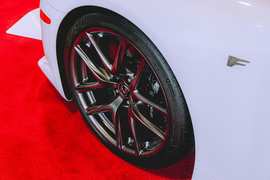
Tire technology is another critical factor. At speeds exceeding 250 mph, conventional tires would disintegrate. Manufacturers work closely with tire specialists to develop bespoke rubber compounds capable of withstanding extreme centrifugal forces and heat buildup.
The Competitive Landscape
The market for hypercars is an exclusive arena, populated by a select group of manufacturers known for their engineering excellence and willingness to invest in ambitious projects. Brands like Bugatti, Koenigsegg, and Hennessey have built their reputations on the relentless pursuit of speed, engaging in a high-stakes rivalry that benefits consumers through continuous innovation.
Bugatti, a name synonymous with speed and luxury, has long held a prominent position in this elite group. Their vehicles are characterized by a blend of brute force and refined elegance, often utilizing massive W16 engines to produce unprecedented levels of power.
Koenigsegg, the Swedish challenger, represents the pinnacle of avant-garde engineering. With a focus on lightweight construction and advanced aerodynamics, Koenigsegg has consistently pushed the envelope, often with less conventional, yet highly effective, technical solutions.
Hennessey, the Texas-based tuner turned manufacturer, has carved a niche for itself by extracting extreme performance from existing platforms, often exceeding factory specifications through their in-house engineering expertise.
The Role of Modern Technology
The 2026 landscape is significantly shaped by advancements in materials science and digital technology. The widespread use of carbon fiber has allowed manufacturers to reduce weight without sacrificing structural integrity. This reduction in mass translates directly to improved acceleration and handling.
Furthermore, sophisticated traction control and stability management systems, developed through years of motorsport experience, allow drivers to harness the immense power of these vehicles safely. The integration of AI and machine learning in the development process has enabled engineers to simulate and optimize performance parameters to an unprecedented degree, reducing development time and improving final product quality.
Aerodynamics plays a pivotal role. As a vehicle’s speed increases, the air resistance, or drag, increases exponentially. To overcome this, engineers employ complex computational fluid dynamics (CFD) to sculpt bodywork that minimizes drag while maintaining stability. Active aerodynamic elements, such as deployable spoilers and adjustable diffusers, further refine the car’s performance at different speeds.
Engine technology has also undergone a radical transformation. The traditional internal combustion engine, once the undisputed king of speed, is now being augmented, and in some cases replaced, by hybrid and fully electric powertrains. Electric motors offer instant torque delivery, providing an almost telepathic response to throttle input. This has enabled electric hypercars to challenge the dominance of their gasoline-powered counterparts in acceleration metrics, though traditionalists still favor the visceral experience of a high-revving combustion engine.
Tire technology is another critical factor. At speeds exceeding 250 mph, conventional tires would disintegrate. Manufacturers work closely with tire specialists to develop bespoke rubber compounds capable of withstanding extreme centrifugal forces and heat buildup.
The Competitive Landscape
The market for hypercars is an exclusive arena, populated by a select group of manufacturers known for their engineering excellence and willingness to invest in ambitious projects. Brands like Bugatti, Koenigsegg, and Hennessey have built their reputations on the relentless pursuit of speed, engaging in a high-stakes rivalry that benefits consumers through continuous innovation.
Bugatti, a name synonymous with speed and luxury, has long held a prominent position in this elite group. Their vehicles are characterized by a blend of brute force and refined elegance, often utilizing massive W16 engines to produce unprecedented levels of power.
Koenigsegg, the Swedish challenger, represents the pinnacle of avant-garde engineering. With a focus on lightweight construction and advanced aerodynamics, Koenigsegg has consistently pushed the envelope, often with less conventional, yet highly effective, technical solutions.
Hennessey, the Texas-based tuner turned manufacturer, has carved a niche for itself by extracting extreme performance from existing platforms, often exceeding factory specifications through their in-house engineering expertise.
The Role of Modern Technology
The 2026 landscape is significantly shaped by advancements in materials science and digital technology. The widespread use of carbon fiber has allowed manufacturers to reduce weight without sacrificing structural integrity. This reduction in mass translates directly to improved acceleration and handling.
Furthermore, sophisticated traction control and stability management systems, developed through years of motorsport experience, allow drivers to harness the immense power of these vehicles safely. The integration of AI and machine learning in the development process has enabled engineers to simulate and optimize performance parameters to an unprecedented degree, reducing development time and improving final product quality.
 The list of the fastest cars in the world is not merely a collection of numbers; it is a testament to human ingenuity and the relentless pursuit of the seemingly impossible. Each vehicle represents a confluence of cutting-edge technology, artistic design, and a deep understanding of the physics of motion. As we venture into 2026, the boundaries of automotive speed continue to be tested, promising an even more exciting future for the world of hypercars. The following compilation represents the current pinnacle of automotive performance, a testament to the engineers and designers who have dared to dream of ultimate velocity.
The Reigning Champion: SSC Tuatara
Emerging from the competitive landscape as the new benchmark for speed, the SSC Tuatara stands as a testament to American engineering prowess. With a design that seems to blur the lines between a fighter jet and a road-legal vehicle, the Tuatara commands attention with its aggressive stance and aerodynamic sophistication. Its lightweight carbon fiber monocoque chassis forms the backbone of its performance, providing the rigidity necessary to handle the extreme forces generated at its blistering speeds.
At the heart of the Tuatara lies a custom-designed 5.9-liter twin-turbocharged V8 engine. This powerplant is a masterpiece of engineering, capable of producing a staggering output that allows the vehicle to achieve its record-breaking velocities. The car’s advanced aerodynamic package is a product of extensive wind tunnel testing and computational fluid dynamics simulations, ensuring that it remains planted and stable even when its tires are barely making contact with the asphalt. The cockpit, a blend of minimalist design and high-tech functionality, places the driver at the center of the experience, with all controls and information intuitively presented. The Tuatara represents a new era in hypercar development, where raw power is perfectly balanced with aerodynamic efficiency and technological sophistication. Its achievement of 316 mph (509 km/h) places it firmly at the pinnacle of automotive performance for 2026.
The Icon of Speed: Bugatti Chiron Super Sport 300+
For years, the name Bugatti has been synonymous with ultimate speed and luxury, and the Chiron Super Sport 300+ continues this legacy with authority. This limited-production hypercar is a direct descendant of the legendary Veyron, but with significant enhancements that push its performance to new heights. The “300+” in its name refers to its groundbreaking achievement of exceeding the 300 mph barrier, a feat that was once considered the holy grail of automotive performance. This remarkable speed is made possible by a quad-turbocharged W16 engine that produces an output of over 1,600 horsepower.
Aerodynamically, the Chiron Super Sport 300+ is a work of art. Its extended rear end, sculpted bodywork, and active aerodynamic elements work in concert to reduce drag and maintain stability at extreme velocities. The car’s design is a masterful blend of form and function, where every curve and vent serves a purpose in the quest for speed. Inside, the cabin is a sanctuary of luxury and technology, with premium materials and advanced infotainment systems. While its top speed of 304 mph (490 km/h) is electronically limited for production models, the engineering potential of the Chiron platform remains a subject of fascination for automotive enthusiasts worldwide. This vehicle represents the pinnacle of traditional hypercar engineering, where brute force and aerodynamic finesse converge to create an automotive legend.
The Lightweight Contender: Koenigsegg Agera RS
Hailing from Sweden, the Koenigsegg Agera RS is a testament to the power of lightweight construction and innovative engineering. This hypercar embodies the philosophy of its creator, Christian von Koenigsegg, who believes that a lighter car with less power can often outperform a heavier one with more. The Agera RS is a masterclass in carbon fiber construction, with its monocoque chassis and body panels crafted from this advanced material to keep weight to an absolute minimum. This focus on weight reduction pays dividends in every aspect of the car’s performance, from its explosive acceleration to its razor-sharp handling.
The Agera RS is powered by a 5.0-liter twin-turbocharged V8 engine that produces a formidable amount of power. However, it is the car’s advanced aerodynamic package and sophisticated traction control systems that allow it to harness this power effectively. The active rear wing, deployable front flaps, and smooth underbody all work together to generate downforce and maintain stability at high speeds. With a documented top speed of 278 mph (447 km/h), the Agera RS proved that with the right engineering approach, extreme performance can be achieved without relying on the largest engines or the most complex drivetrains. It remains an icon of efficiency and innovation in the world of hypercars.
The Refined Powerhouse: Koenigsegg Agera R
Another exceptional creation from the Swedish manufacturer Koenigsegg, the Agera R represents a further evolution of their performance-focused philosophy. Building upon the success of the original Agera, the R variant introduced several enhancements that pushed the boundaries of what was thought possible. The “R” designation signifies its enhanced performance capabilities, including the ability to run on renewable fuels, showcasing the company’s commitment to innovation and environmental consciousness.
The list of the fastest cars in the world is not merely a collection of numbers; it is a testament to human ingenuity and the relentless pursuit of the seemingly impossible. Each vehicle represents a confluence of cutting-edge technology, artistic design, and a deep understanding of the physics of motion. As we venture into 2026, the boundaries of automotive speed continue to be tested, promising an even more exciting future for the world of hypercars. The following compilation represents the current pinnacle of automotive performance, a testament to the engineers and designers who have dared to dream of ultimate velocity.
The Reigning Champion: SSC Tuatara
Emerging from the competitive landscape as the new benchmark for speed, the SSC Tuatara stands as a testament to American engineering prowess. With a design that seems to blur the lines between a fighter jet and a road-legal vehicle, the Tuatara commands attention with its aggressive stance and aerodynamic sophistication. Its lightweight carbon fiber monocoque chassis forms the backbone of its performance, providing the rigidity necessary to handle the extreme forces generated at its blistering speeds.
At the heart of the Tuatara lies a custom-designed 5.9-liter twin-turbocharged V8 engine. This powerplant is a masterpiece of engineering, capable of producing a staggering output that allows the vehicle to achieve its record-breaking velocities. The car’s advanced aerodynamic package is a product of extensive wind tunnel testing and computational fluid dynamics simulations, ensuring that it remains planted and stable even when its tires are barely making contact with the asphalt. The cockpit, a blend of minimalist design and high-tech functionality, places the driver at the center of the experience, with all controls and information intuitively presented. The Tuatara represents a new era in hypercar development, where raw power is perfectly balanced with aerodynamic efficiency and technological sophistication. Its achievement of 316 mph (509 km/h) places it firmly at the pinnacle of automotive performance for 2026.
The Icon of Speed: Bugatti Chiron Super Sport 300+
For years, the name Bugatti has been synonymous with ultimate speed and luxury, and the Chiron Super Sport 300+ continues this legacy with authority. This limited-production hypercar is a direct descendant of the legendary Veyron, but with significant enhancements that push its performance to new heights. The “300+” in its name refers to its groundbreaking achievement of exceeding the 300 mph barrier, a feat that was once considered the holy grail of automotive performance. This remarkable speed is made possible by a quad-turbocharged W16 engine that produces an output of over 1,600 horsepower.
Aerodynamically, the Chiron Super Sport 300+ is a work of art. Its extended rear end, sculpted bodywork, and active aerodynamic elements work in concert to reduce drag and maintain stability at extreme velocities. The car’s design is a masterful blend of form and function, where every curve and vent serves a purpose in the quest for speed. Inside, the cabin is a sanctuary of luxury and technology, with premium materials and advanced infotainment systems. While its top speed of 304 mph (490 km/h) is electronically limited for production models, the engineering potential of the Chiron platform remains a subject of fascination for automotive enthusiasts worldwide. This vehicle represents the pinnacle of traditional hypercar engineering, where brute force and aerodynamic finesse converge to create an automotive legend.
The Lightweight Contender: Koenigsegg Agera RS
Hailing from Sweden, the Koenigsegg Agera RS is a testament to the power of lightweight construction and innovative engineering. This hypercar embodies the philosophy of its creator, Christian von Koenigsegg, who believes that a lighter car with less power can often outperform a heavier one with more. The Agera RS is a masterclass in carbon fiber construction, with its monocoque chassis and body panels crafted from this advanced material to keep weight to an absolute minimum. This focus on weight reduction pays dividends in every aspect of the car’s performance, from its explosive acceleration to its razor-sharp handling.
The Agera RS is powered by a 5.0-liter twin-turbocharged V8 engine that produces a formidable amount of power. However, it is the car’s advanced aerodynamic package and sophisticated traction control systems that allow it to harness this power effectively. The active rear wing, deployable front flaps, and smooth underbody all work together to generate downforce and maintain stability at high speeds. With a documented top speed of 278 mph (447 km/h), the Agera RS proved that with the right engineering approach, extreme performance can be achieved without relying on the largest engines or the most complex drivetrains. It remains an icon of efficiency and innovation in the world of hypercars.
The Refined Powerhouse: Koenigsegg Agera R
Another exceptional creation from the Swedish manufacturer Koenigsegg, the Agera R represents a further evolution of their performance-focused philosophy. Building upon the success of the original Agera, the R variant introduced several enhancements that pushed the boundaries of what was thought possible. The “R” designation signifies its enhanced performance capabilities, including the ability to run on renewable fuels, showcasing the company’s commitment to innovation and environmental consciousness.
 The Agera R features a highly tuned 5.0-liter twin-turbocharged V8 engine that produces a staggering amount of power, particularly when fueled with E85 ethanol. This power is delivered through a seven-speed dual-clutch transmission that provides lightning-fast gear changes, ensuring that the engine stays within its optimal power band. Aerodynamically, the Agera R is a work of art, with a complex system of active spoilers, wings, and diffusers that optimize downforce and minimize drag. Its lightweight construction, combined with its potent powertrain, allows it to achieve a top speed of 273 mph (439 km/h). The