



The 2026 Guide to the World’s Fastest Cars: Speed Redefined
For automotive enthusiasts, the quest for ultimate velocity represents the pinnacle of engineering achievement. For decades, the automotive landscape has been reshaped by engineers pushing the boundaries of physics, aerodynamics, and powertrain technology. As we navigate 2026, the hypercar market has reached unprecedented levels of performance, with manufacturers vying for the coveted title of the fastest production car in the world.
This comprehensive analysis delves into the elite echelon of high-performance vehicles, exploring the technological marvels that enable these machines to shatter speed records. From bespoke hybrid powertrains to aerodynamic masterpieces, we examine the key innovations that set these vehicles apart. Whether you’re a collector, a performance aficionado, or simply captivated by the pursuit of speed, this guide provides an in-depth look at the current titans of velocity.
The Science of Speed: Engineering Extremes in 2026
Before exploring specific models, it is crucial to understand the engineering principles that define the current generation of hypercars. In 2026, the industry has moved beyond the simple application of horsepower; rather, it is the holistic integration of power, aerodynamics, and weight reduction that dictates performance.
Aerodynamics as the Limiting Factor:
At speeds exceeding 250 mph, aerodynamic drag becomes the primary obstacle. Engineers now employ sophisticated computational fluid dynamics (CFD) modeling to design vehicles that manage airflow with surgical precision. Active aerodynamic elements, such as morphing body panels and adaptive spoilers, adjust in real-time to optimize downforce or minimize drag, depending on the driving scenario. This dynamic optimization allows manufacturers to achieve higher top speeds while maintaining stability at extreme velocities.
The Hybridization Revolution:
Electric motors are no longer relegated to eco-friendly vehicles; they are now integral to hypercar performance. Electric assistance provides instant torque, allowing these machines to achieve breathtaking acceleration from a standstill. In 2026, most top-tier hypercars utilize sophisticated hybrid systems that seamlessly blend internal combustion power with electric drive. These systems are not merely for performance enhancement; they also play a critical role in energy recovery, improving overall efficiency without compromising speed.
Materials Science Innovation:
The pursuit of speed demands a relentless focus on weight reduction. Carbon fiber composites remain the material of choice for chassis construction, but manufacturers are now utilizing graphene-enhanced composites and advanced metal alloys to further reduce mass. Every kilogram saved translates directly to improved acceleration and handling. The integration of these materials requires specialized manufacturing techniques, often involving autoclave curing and additive manufacturing, ensuring structural integrity while maintaining a competitive edge.
 The Competitive Landscape: A Decade of Dominance
The race for the title of the world’s fastest car has historically been dominated by a select group of manufacturers. While new players have emerged, the established titans continue to push the boundaries of what is possible. The following analysis explores the key contenders in 2026, detailing their engineering philosophy and performance credentials.
Bugatti Chiron Super Sport 300+ (Continued Legacy)
Bugatti’s pursuit of ultimate speed has defined the automotive landscape for over a century. The Chiron Super Sport 300+, while officially launched several years ago, continues to hold a significant position in the hypercar hierarchy, largely due to its record-setting performance and the engineering prowess it represents.
Technical Specifications and Performance:
At the heart of the Chiron Super Sport 300+ lies the iconic 8.0-liter quad-turbocharged W16 engine. This powerplant produces a staggering 1,600 horsepower and 1,180 lb-ft of torque, enabling the vehicle to achieve previously unthinkable speeds. The “300+” in its name refers to its historic achievement of surpassing the 300-mph barrier, a feat that remains a benchmark in the automotive industry.
Design Philosophy:
The design of the Chiron Super Sport 300+ is a masterclass in aerodynamic optimization. The elongated rear section, often referred to as a “longtail,” reduces drag and enhances stability at high speeds. Every curve and contour of the body has been sculpted to manage airflow efficiently, creating a vehicle that is as beautiful as it is fast. The extensive use of carbon fiber ensures that despite its size, the car remains relatively lightweight.
Market Position:
Despite being an older model in the fast-evolving hypercar segment, the Chiron Super Sport 300+ retains its allure due to its exclusivity and proven performance. Limited to a production run of just 30 units, it represents a significant investment for collectors seeking a piece of automotive history. Its continued presence in top-speed discussions underscores Bugatti’s enduring legacy in the pursuit of extreme velocity.
Hennessey Venom F5: The American Contender
Hennessey Performance Engineering has emerged as a formidable force in the hypercar arena, challenging established European manufacturers with its relentless pursuit of speed. The Venom F5, named after the F5 tornado classification for wind speeds exceeding 300 mph, represents the culmination of years of engineering expertise.
Engineering Philosophy:
The Venom F5 embodies Hennessey’s philosophy of extreme engineering. The car is built around a bespoke carbon fiber chassis that is both incredibly strong and astonishingly light. This focus on weight reduction is critical to its performance, allowing the massive engine to propel the car to unprecedented speeds with relative ease.
Powertrain and Performance:
At the heart of the Venom F5 is a custom-designed 6.6-liter twin-turbocharged V8 engine. This powerplant produces an astonishing 1,817 horsepower, enabling the car to achieve a theoretical top speed of over 330 mph. The car’s acceleration is equally impressive, with a 0-60 mph time of under 3 seconds. Hennessey’s commitment to pushing boundaries is evident in the car’s ability to deliver such extreme performance in a road-legal package.
Design Innovation:
The Competitive Landscape: A Decade of Dominance
The race for the title of the world’s fastest car has historically been dominated by a select group of manufacturers. While new players have emerged, the established titans continue to push the boundaries of what is possible. The following analysis explores the key contenders in 2026, detailing their engineering philosophy and performance credentials.
Bugatti Chiron Super Sport 300+ (Continued Legacy)
Bugatti’s pursuit of ultimate speed has defined the automotive landscape for over a century. The Chiron Super Sport 300+, while officially launched several years ago, continues to hold a significant position in the hypercar hierarchy, largely due to its record-setting performance and the engineering prowess it represents.
Technical Specifications and Performance:
At the heart of the Chiron Super Sport 300+ lies the iconic 8.0-liter quad-turbocharged W16 engine. This powerplant produces a staggering 1,600 horsepower and 1,180 lb-ft of torque, enabling the vehicle to achieve previously unthinkable speeds. The “300+” in its name refers to its historic achievement of surpassing the 300-mph barrier, a feat that remains a benchmark in the automotive industry.
Design Philosophy:
The design of the Chiron Super Sport 300+ is a masterclass in aerodynamic optimization. The elongated rear section, often referred to as a “longtail,” reduces drag and enhances stability at high speeds. Every curve and contour of the body has been sculpted to manage airflow efficiently, creating a vehicle that is as beautiful as it is fast. The extensive use of carbon fiber ensures that despite its size, the car remains relatively lightweight.
Market Position:
Despite being an older model in the fast-evolving hypercar segment, the Chiron Super Sport 300+ retains its allure due to its exclusivity and proven performance. Limited to a production run of just 30 units, it represents a significant investment for collectors seeking a piece of automotive history. Its continued presence in top-speed discussions underscores Bugatti’s enduring legacy in the pursuit of extreme velocity.
Hennessey Venom F5: The American Contender
Hennessey Performance Engineering has emerged as a formidable force in the hypercar arena, challenging established European manufacturers with its relentless pursuit of speed. The Venom F5, named after the F5 tornado classification for wind speeds exceeding 300 mph, represents the culmination of years of engineering expertise.
Engineering Philosophy:
The Venom F5 embodies Hennessey’s philosophy of extreme engineering. The car is built around a bespoke carbon fiber chassis that is both incredibly strong and astonishingly light. This focus on weight reduction is critical to its performance, allowing the massive engine to propel the car to unprecedented speeds with relative ease.
Powertrain and Performance:
At the heart of the Venom F5 is a custom-designed 6.6-liter twin-turbocharged V8 engine. This powerplant produces an astonishing 1,817 horsepower, enabling the car to achieve a theoretical top speed of over 330 mph. The car’s acceleration is equally impressive, with a 0-60 mph time of under 3 seconds. Hennessey’s commitment to pushing boundaries is evident in the car’s ability to deliver such extreme performance in a road-legal package.
Design Innovation:
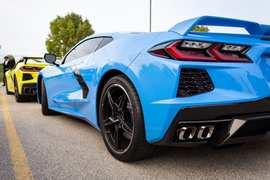 The Venom F5’s design is a testament to functional aerodynamics. The car features a sleek, low-slung profile with numerous aerodynamic elements designed to manage airflow at high speeds. Active aerodynamics, including adaptive spoilers and diffusers, adjust in real-time to optimize downforce or minimize drag, ensuring stability at the extreme velocities it can achieve.
Market Position:
Hennessey has positioned the Venom F5 as a no-compromise hypercar for the discerning enthusiast. With a limited production run and a price tag that reflects its exclusivity, it represents a significant investment for collectors seeking the pinnacle of American automotive engineering. The Venom F5’s continued presence at the forefront of top-speed discussions solidifies Hennessey’s position as a major player in the hypercar market.
SSC Tuatara: The Pursuit of Precision
Shelby SuperCars (SSC) North America has long been a proponent of American-made hypercars, and the Tuatara represents the company’s most ambitious project to date. This vehicle is a testament to precision engineering and a relentless pursuit of performance, challenging the established order in the hypercar world.
Engineering and Aerodynamics:
The Tuatara’s design is a marvel of aerodynamic efficiency. Its sleek, flowing lines are not merely for aesthetics; they are the result of extensive CFD modeling and wind tunnel testing to minimize drag and maximize downforce. The car’s body is constructed almost entirely from carbon fiber, resulting in a remarkably low weight that enhances both acceleration and handling.
Powertrain and Performance:
At the heart of the Tuatara lies a custom-designed 5.9-liter twin-turbocharged V8 engine. This powerplant produces an astonishing 1,750 horsepower on E85 biofuel, providing the car with the power needed to achieve extreme velocities. While the car’s official top speed has been the subject of some debate, SSC has demonstrated its capability to reach speeds exceeding 316 mph. The car’s 7-speed robotic manual transmission ensures that power is delivered efficiently to the rear wheels.
Technological Sophistication:
The Tuatara incorporates cutting-edge technology to enhance its performance. The car features a digital cockpit with advanced telemetry systems that provide the driver with real-time information about vehicle performance. The suspension system is electronically adjustable, allowing the driver to fine-tune the car’s handling characteristics to suit different driving conditions.
Market Position:
SSC has positioned the Tuatara as a no-compromise hypercar for the discerning collector. With a limited production run and a price tag that reflects its exclusivity, it represents a significant investment for those seeking the pinnacle of American automotive engineering. The Tuatara’s continued presence in top-speed discussions solidifies SSC’s position as a major player in the hypercar market.
Koenigsegg Jesko Absolut: The Swedish Speed Demon
Koenigsegg, the Swedish manufacturer known for its innovative approach to hypercar design, has once again pushed the boundaries of what is possible with the Jesko Absolut. This vehicle represents the company’s relentless pursuit of ultimate speed, combining groundbreaking engineering with a focus on driver engagement.
Engineering Philosophy:
The Jesko Absolut embodies Koenigsegg’s philosophy of “megacar” performance. The car is designed to deliver an unparalleled driving experience, combining extreme power with precise handling and aerodynamic efficiency. Every component of the vehicle has been optimized to contribute to its overall performance, from the chassis to the powertrain and aerodynamics.
Powertrain and Performance:
The Venom F5’s design is a testament to functional aerodynamics. The car features a sleek, low-slung profile with numerous aerodynamic elements designed to manage airflow at high speeds. Active aerodynamics, including adaptive spoilers and diffusers, adjust in real-time to optimize downforce or minimize drag, ensuring stability at the extreme velocities it can achieve.
Market Position:
Hennessey has positioned the Venom F5 as a no-compromise hypercar for the discerning enthusiast. With a limited production run and a price tag that reflects its exclusivity, it represents a significant investment for collectors seeking the pinnacle of American automotive engineering. The Venom F5’s continued presence at the forefront of top-speed discussions solidifies Hennessey’s position as a major player in the hypercar market.
SSC Tuatara: The Pursuit of Precision
Shelby SuperCars (SSC) North America has long been a proponent of American-made hypercars, and the Tuatara represents the company’s most ambitious project to date. This vehicle is a testament to precision engineering and a relentless pursuit of performance, challenging the established order in the hypercar world.
Engineering and Aerodynamics:
The Tuatara’s design is a marvel of aerodynamic efficiency. Its sleek, flowing lines are not merely for aesthetics; they are the result of extensive CFD modeling and wind tunnel testing to minimize drag and maximize downforce. The car’s body is constructed almost entirely from carbon fiber, resulting in a remarkably low weight that enhances both acceleration and handling.
Powertrain and Performance:
At the heart of the Tuatara lies a custom-designed 5.9-liter twin-turbocharged V8 engine. This powerplant produces an astonishing 1,750 horsepower on E85 biofuel, providing the car with the power needed to achieve extreme velocities. While the car’s official top speed has been the subject of some debate, SSC has demonstrated its capability to reach speeds exceeding 316 mph. The car’s 7-speed robotic manual transmission ensures that power is delivered efficiently to the rear wheels.
Technological Sophistication:
The Tuatara incorporates cutting-edge technology to enhance its performance. The car features a digital cockpit with advanced telemetry systems that provide the driver with real-time information about vehicle performance. The suspension system is electronically adjustable, allowing the driver to fine-tune the car’s handling characteristics to suit different driving conditions.
Market Position:
SSC has positioned the Tuatara as a no-compromise hypercar for the discerning collector. With a limited production run and a price tag that reflects its exclusivity, it represents a significant investment for those seeking the pinnacle of American automotive engineering. The Tuatara’s continued presence in top-speed discussions solidifies SSC’s position as a major player in the hypercar market.
Koenigsegg Jesko Absolut: The Swedish Speed Demon
Koenigsegg, the Swedish manufacturer known for its innovative approach to hypercar design, has once again pushed the boundaries of what is possible with the Jesko Absolut. This vehicle represents the company’s relentless pursuit of ultimate speed, combining groundbreaking engineering with a focus on driver engagement.
Engineering Philosophy:
The Jesko Absolut embodies Koenigsegg’s philosophy of “megacar” performance. The car is designed to deliver an unparalleled driving experience, combining extreme power with precise handling and aerodynamic efficiency. Every component of the vehicle has been optimized to contribute to its overall performance, from the chassis to the powertrain and aerodynamics.
Powertrain and Performance:
 At the heart of the Jesko Absolut is a 5.0-liter twin-turbocharged V8 engine that produces a staggering 1,600 horsepower on