



Top 10 Fastest Cars in the World 2026: A Deep Dive into Hypercar Supremacy
The relentless pursuit of velocity has long captivated the automotive world. In 2026, the benchmark for the world’s fastest cars continues to be pushed by visionary manufacturers who blend cutting-edge engineering with audacious design. While horsepower metrics and acceleration times often dominate headlines, the ultimate measure of a hypercar’s prowess remains its top speed—a figure that represents the zenith of aerodynamic efficiency and powertrain innovation. This definitive guide explores the elite echelon of vehicles that have etched their names into the annals of speed history, offering an in-depth look at the technology, performance, and exclusivity that define these automotive marvels.
Understanding the Landscape of Top Speed Records
Before delving into the specific machines, it’s crucial to contextualize what constitutes a “fastest car.” Unlike zero-to-60 mph times or quarter-mile sprints, which measure acceleration over short distances, top speed runs are contests of pure velocity over long stretches of pavement. The logistics of achieving these speeds are staggering. Not only must a car possess immense power—often exceeding 1,500 horsepower—but it must also be aerodynamically sculpted to slice through the air with minimal resistance. Furthermore, finding a sufficiently long and safe proving ground, often requiring closed public highways or specially prepared tracks, presents a significant hurdle.
 For enthusiasts and manufacturers alike, the allure of a top speed record extends beyond mere statistics; it is a statement of engineering dominance and a marketing coup that commands premium pricing and global attention. The current era is defined by a multi-faceted battle: traditional European giants like Bugatti continue to refine their brute-force approach, while American innovators like Hennessey and SSC (Shelby SuperCars) challenge the status quo with raw power and technological audacity. Adding another layer to this competitive arena are the electric hypercar startups, which promise instant torque and mind-bending acceleration, though their top-speed capabilities are still evolving to match their internal combustion counterparts.
The Evolution of Speed: From the Veyron to the Tuatara
The modern era of hypercar speed was arguably ushered in by the Bugatti Veyron in the mid-2000s. When the Veyron shattered the 250 mph barrier, it redefined what was thought possible for a road-legal production car. Its quad-turbocharged W16 engine produced a staggering 1,001 horsepower, a figure that seemed astronomical at the time. The Veyron wasn’t just fast; it was a technological tour de force, combining luxury with unprecedented performance. Its success paved the way for a new generation of hypercars, each striving to eclipse its achievements.
The successor to the Veyron, the Bugatti Chiron, pushed the envelope even further. Initially electronically limited to 261 mph, the Chiron was capable of much more in unrestricted form. The Chiron Super Sport 300+ variant eventually broke the coveted 300 mph barrier, reaching an astonishing 304.77 mph in a one-way run, solidifying Bugatti’s legacy in the realm of extreme speed. However, this milestone also highlighted the complexities of modern speed records, as manufacturer runs are often conducted under specific conditions and may not always constitute a two-way average, which is the traditional standard for record verification.
Emerging from the shadows of established European marques, American manufacturers have mounted a formidable challenge. Hennessey Performance Engineering, with its Venom GT and later the Venom F5, has consistently aimed for the stars. The Venom F5, in particular, was engineered with a stated top speed target of over 300 mph, showcasing the potential of American engineering prowess. Similarly, SSC has evolved from the Ultimate Aero TT to the Tuatara, a vehicle designed from the ground up to dominate the world’s speed charts. The Tuatara’s journey to validation has been fraught with technical challenges and controversies, but its underlying engineering represents a pinnacle of modern hypercar development.
The Role of Aerodynamics and Materials
Achieving extreme speeds is not merely a matter of raw power; it is a delicate dance between propulsion and aerodynamics. At speeds approaching 300 mph, air resistance increases exponentially, creating forces that can literally tear a car apart. Engineers spend countless hours in wind tunnels, utilizing computational fluid dynamics (CFD) simulations to sculpt every surface of the vehicle. Active aerodynamic elements, such as deployable rear wings and adaptive spoilers, play a crucial role, adjusting their angle in real-time to optimize downforce for cornering while minimizing drag for straight-line acceleration.
The materials used in these machines are equally critical. Traditional steel and aluminum have largely given way to carbon fiber composites, which offer an unparalleled strength-to-weight ratio. The chassis, body panels, and even suspension components are often crafted from carbon fiber, allowing manufacturers to reduce weight while maintaining structural rigidity—essential for handling the immense forces generated at high speeds. Lightweight alloys and titanium are also employed for critical components, ensuring that every possible gram is shaved off to maximize performance.
The Powertrain Conundrum: ICE vs. Electric
The current hypercar landscape is characterized by a fascinating dichotomy: the established dominance of the internal combustion engine (ICE) and the meteoric rise of electric powertrains. For decades, the W16 quad-turbocharged engines of Bugatti and the V8 twin-turbo setups of Koenigsegg and Hennessey have reigned supreme. These ICE powerplants offer a combination of high horsepower, intoxicating sound, and a proven track record that electric vehicles have yet to fully replicate in the top-speed arena. However, the performance envelope of electric hypercars is expanding at an alarming rate.
For enthusiasts and manufacturers alike, the allure of a top speed record extends beyond mere statistics; it is a statement of engineering dominance and a marketing coup that commands premium pricing and global attention. The current era is defined by a multi-faceted battle: traditional European giants like Bugatti continue to refine their brute-force approach, while American innovators like Hennessey and SSC (Shelby SuperCars) challenge the status quo with raw power and technological audacity. Adding another layer to this competitive arena are the electric hypercar startups, which promise instant torque and mind-bending acceleration, though their top-speed capabilities are still evolving to match their internal combustion counterparts.
The Evolution of Speed: From the Veyron to the Tuatara
The modern era of hypercar speed was arguably ushered in by the Bugatti Veyron in the mid-2000s. When the Veyron shattered the 250 mph barrier, it redefined what was thought possible for a road-legal production car. Its quad-turbocharged W16 engine produced a staggering 1,001 horsepower, a figure that seemed astronomical at the time. The Veyron wasn’t just fast; it was a technological tour de force, combining luxury with unprecedented performance. Its success paved the way for a new generation of hypercars, each striving to eclipse its achievements.
The successor to the Veyron, the Bugatti Chiron, pushed the envelope even further. Initially electronically limited to 261 mph, the Chiron was capable of much more in unrestricted form. The Chiron Super Sport 300+ variant eventually broke the coveted 300 mph barrier, reaching an astonishing 304.77 mph in a one-way run, solidifying Bugatti’s legacy in the realm of extreme speed. However, this milestone also highlighted the complexities of modern speed records, as manufacturer runs are often conducted under specific conditions and may not always constitute a two-way average, which is the traditional standard for record verification.
Emerging from the shadows of established European marques, American manufacturers have mounted a formidable challenge. Hennessey Performance Engineering, with its Venom GT and later the Venom F5, has consistently aimed for the stars. The Venom F5, in particular, was engineered with a stated top speed target of over 300 mph, showcasing the potential of American engineering prowess. Similarly, SSC has evolved from the Ultimate Aero TT to the Tuatara, a vehicle designed from the ground up to dominate the world’s speed charts. The Tuatara’s journey to validation has been fraught with technical challenges and controversies, but its underlying engineering represents a pinnacle of modern hypercar development.
The Role of Aerodynamics and Materials
Achieving extreme speeds is not merely a matter of raw power; it is a delicate dance between propulsion and aerodynamics. At speeds approaching 300 mph, air resistance increases exponentially, creating forces that can literally tear a car apart. Engineers spend countless hours in wind tunnels, utilizing computational fluid dynamics (CFD) simulations to sculpt every surface of the vehicle. Active aerodynamic elements, such as deployable rear wings and adaptive spoilers, play a crucial role, adjusting their angle in real-time to optimize downforce for cornering while minimizing drag for straight-line acceleration.
The materials used in these machines are equally critical. Traditional steel and aluminum have largely given way to carbon fiber composites, which offer an unparalleled strength-to-weight ratio. The chassis, body panels, and even suspension components are often crafted from carbon fiber, allowing manufacturers to reduce weight while maintaining structural rigidity—essential for handling the immense forces generated at high speeds. Lightweight alloys and titanium are also employed for critical components, ensuring that every possible gram is shaved off to maximize performance.
The Powertrain Conundrum: ICE vs. Electric
The current hypercar landscape is characterized by a fascinating dichotomy: the established dominance of the internal combustion engine (ICE) and the meteoric rise of electric powertrains. For decades, the W16 quad-turbocharged engines of Bugatti and the V8 twin-turbo setups of Koenigsegg and Hennessey have reigned supreme. These ICE powerplants offer a combination of high horsepower, intoxicating sound, and a proven track record that electric vehicles have yet to fully replicate in the top-speed arena. However, the performance envelope of electric hypercars is expanding at an alarming rate.
 Electric motors deliver instant torque, meaning that a significant portion of a hypercar’s top speed is accessible almost immediately. While battery technology has historically limited the sustained power output required for top-speed runs, recent advancements in battery density and thermal management are changing the game. Manufacturers are exploring innovative cooling solutions and multi-speed transmissions to harness the full potential of electric propulsion. The Rimac Nevera, for instance, has demonstrated the electric hypercar’s capability with blistering acceleration and impressive top speeds, signaling a shift in the automotive landscape that could see electric vehicles challenge the ICE kings in the years to come.
The Regulatory Environment and Safety Considerations
Beyond the engineering challenges, the pursuit of top speed records is increasingly influenced by regulatory and safety considerations. The traditional method of achieving a two-way average to validate a record has become more complex in an era of high-speed electronics and automated testing. Manufacturers must navigate a labyrinth of regulations regarding testing protocols, vehicle modifications, and safety standards. The high-speed runs require extensive safety measures, including dedicated safety crews, medical personnel, and advanced telemetry equipment to monitor the vehicle’s vitals in real-time.
Furthermore, the environmental impact of these speed machines is coming under greater scrutiny. As the world grapples with climate change, the high fuel consumption of traditional hypercars is a growing concern. This pressure is driving innovation in engine efficiency and pushing manufacturers toward hybrid and electric solutions. While the allure of a gasoline-powered roar remains potent for many enthusiasts, the future of high-performance motoring will likely be a blend of power and sustainability, where speed is achieved with a lighter environmental footprint.
The Current Contenders: A Detailed Analysis
Now, let’s turn our attention to the specific machines that have etched their names into the history books as the fastest cars in the world as of 2026. It’s important to note that the rankings can fluctuate based on new runs, record validations, and manufacturer claims, but the following vehicles represent the pinnacle of current hypercar performance.
SSC Tuatara: The Apex Predator
The Shelby SuperCars (SSC) Tuatara stands as a testament to American ingenuity and the relentless pursuit of the ultimate speed. Designed by Jason Castriota, the Tuatara boasts a stunning aerodynamic profile with a claimed coefficient of drag of just 0.279. Its heart is a 5.9-liter twin-turbocharged V8 engine, producing a staggering 1,750 horsepower on E85 fuel. The Tuatara’s journey to record validation has been a dramatic saga. After an initial highly publicized run in 2020 was marred by controversy and technical issues, SSC conducted a more rigorous series of runs in 2021. On a closed stretch of State Route 160 in Nevada, the Tuatara achieved a two-way average top speed of 282.9 mph (455.3 km/h), with a one-way peak of 295 mph. While this fell short of the company’s initial 300+ mph claims, it firmly established the Tuatara as one of the fastest production cars ever built. The company continues to refine the car, with hopes of eventually breaking the 300 mph barrier under official record conditions.
Bugatti Chiron Super Sport 300+: The 300 MPH Pioneer
Electric motors deliver instant torque, meaning that a significant portion of a hypercar’s top speed is accessible almost immediately. While battery technology has historically limited the sustained power output required for top-speed runs, recent advancements in battery density and thermal management are changing the game. Manufacturers are exploring innovative cooling solutions and multi-speed transmissions to harness the full potential of electric propulsion. The Rimac Nevera, for instance, has demonstrated the electric hypercar’s capability with blistering acceleration and impressive top speeds, signaling a shift in the automotive landscape that could see electric vehicles challenge the ICE kings in the years to come.
The Regulatory Environment and Safety Considerations
Beyond the engineering challenges, the pursuit of top speed records is increasingly influenced by regulatory and safety considerations. The traditional method of achieving a two-way average to validate a record has become more complex in an era of high-speed electronics and automated testing. Manufacturers must navigate a labyrinth of regulations regarding testing protocols, vehicle modifications, and safety standards. The high-speed runs require extensive safety measures, including dedicated safety crews, medical personnel, and advanced telemetry equipment to monitor the vehicle’s vitals in real-time.
Furthermore, the environmental impact of these speed machines is coming under greater scrutiny. As the world grapples with climate change, the high fuel consumption of traditional hypercars is a growing concern. This pressure is driving innovation in engine efficiency and pushing manufacturers toward hybrid and electric solutions. While the allure of a gasoline-powered roar remains potent for many enthusiasts, the future of high-performance motoring will likely be a blend of power and sustainability, where speed is achieved with a lighter environmental footprint.
The Current Contenders: A Detailed Analysis
Now, let’s turn our attention to the specific machines that have etched their names into the history books as the fastest cars in the world as of 2026. It’s important to note that the rankings can fluctuate based on new runs, record validations, and manufacturer claims, but the following vehicles represent the pinnacle of current hypercar performance.
SSC Tuatara: The Apex Predator
The Shelby SuperCars (SSC) Tuatara stands as a testament to American ingenuity and the relentless pursuit of the ultimate speed. Designed by Jason Castriota, the Tuatara boasts a stunning aerodynamic profile with a claimed coefficient of drag of just 0.279. Its heart is a 5.9-liter twin-turbocharged V8 engine, producing a staggering 1,750 horsepower on E85 fuel. The Tuatara’s journey to record validation has been a dramatic saga. After an initial highly publicized run in 2020 was marred by controversy and technical issues, SSC conducted a more rigorous series of runs in 2021. On a closed stretch of State Route 160 in Nevada, the Tuatara achieved a two-way average top speed of 282.9 mph (455.3 km/h), with a one-way peak of 295 mph. While this fell short of the company’s initial 300+ mph claims, it firmly established the Tuatara as one of the fastest production cars ever built. The company continues to refine the car, with hopes of eventually breaking the 300 mph barrier under official record conditions.
Bugatti Chiron Super Sport 300+: The 300 MPH Pioneer
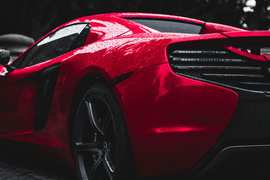 Bugatti’s Chiron Super Sport 300+ holds a special place in automotive history as the first production car to break the 300 mph barrier. During a carefully orchestrated test run at the Ehra-Lessien test track in Germany, a pre-production prototype achieved a verified one-way top speed of 304.77 mph (490.48 km/h). While this was a one-way run and thus not an official world record, it demonstrated the extraordinary capabilities of Bugatti’s engineering. The production version of the Super Sport 300+ is electronically limited to 273 mph to ensure safety, but its underlying engineering represents the zenith of internal combustion-powered hypercars.