



The Race for 300 MPH: A Deep Dive into the World’s Fastest Cars in 2026
Automotive engineering has always been a quest for the seemingly impossible. Since the dawn of the internal combustion engine, humanity has been locked in a relentless pursuit of velocity—a quest to push the boundaries of physics and engineering to their absolute limits. What was once considered the pinnacle of speed in the 20th century is now merely a historical footnote, overshadowed by the hypercars of the 21st. As we navigate the dynamic landscape of 2026, the definition of “fast” has been irrevocably shattered, with a new generation of machines capable of velocities that beggar belief.
The allure of the world’s fastest car is undeniable. It represents the zenith of automotive achievement, a confluence of cutting-edge technology, aerodynamic mastery, and brute force. These machines are not merely modes of transportation; they are rolling sculptures, engineering marvels, and symbols of ultimate performance. For enthusiasts and collectors, owning a vehicle that holds the title of the fastest production car is the ultimate status symbol, a ticket to a realm reserved for the ultra-elite.
The automotive industry in 2026 is a far cry from the speculative days of 2022 when the original lists of fastest cars were compiled. Electrification has moved from a niche concept to a dominant force, challenging the traditional internal combustion engine on its home turf. Hybrid powertrains are no longer a compromise but a strategic advantage, blending the visceral thrill of gasoline with the instantaneous torque of electric motors. Furthermore, the rise of boutique manufacturers and tuner shops has blurred the lines between production vehicles and bespoke creations, making the race for speed more competitive and unpredictable than ever before.
This comprehensive analysis delves into the current hierarchy of automotive velocity, exploring the technological marvels that are redefining what’s possible at the wheel. We’ll journey from the outer reaches of the top ten to the hallowed ground of the world record holder, dissecting the engineering choices, performance metrics, and market dynamics that define the current era of hypercar innovation.
The Evolution of Speed: A Historical Perspective
Before charting the course of today’s speed demons, it’s crucial to understand the trajectory that brought us to this point. The quest for speed is as old as the automobile itself. Early pioneers like Karl Benz and Gottlieb Daimler laid the groundwork with rudimentary machines that were considered revolutionary for their time. However, the true pursuit of high velocity began in the early 20th century with the advent of motorsport.
The golden age of speed truly dawned in the post-World War II era. Manufacturers like Ferrari, Maserati, and Jaguar began to push the boundaries of performance, often in the crucible of Formula One and Le Mans racing. These early supercars, with their naturally aspirated V12 engines and aerodynamic designs, set the benchmark for what was possible.
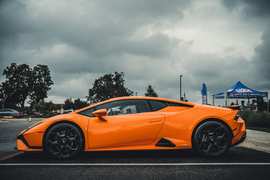 The late 20th century witnessed a seismic shift with the arrival of the Bugatti Veyron in 2005. This engineering tour de force, developed by Volkswagen Group, shattered the notion that a production car could not achieve speeds in excess of 250 mph. With its quad-turbocharged W16 engine and a price tag that dwarfed conventional luxury cars, the Veyron redefined the hypercar segment and set the stage for the current arms race.
The Digital Age of Speed: 2026 Realities
Today, the landscape is dominated by a new breed of contenders, many of which have learned from the Veyron’s successes and failures. The 2026 market is characterized by several key trends:
Electrification and Hybridization: The most significant development in recent years has been the integration of electric powertrains. Manufacturers have realized that electric motors provide instant torque and significant power boosts, allowing even hybrid vehicles to achieve staggering acceleration figures.
Aerodynamic Optimization: With speeds pushing beyond the 250 mph barrier, aerodynamics have become paramount. Active aero components, such as deployable wings and adaptive bodywork, allow these cars to optimize downforce for cornering while minimizing drag for straight-line speed.
Material Science Advancements: The widespread use of carbon fiber has enabled manufacturers to create incredibly lightweight yet structurally rigid chassis. This weight reduction is critical for achieving the extreme power-to-weight ratios required for hypercar performance.
Data-Driven Development: The rise of sophisticated simulation software and track telemetry has allowed engineers to fine-tune every aspect of a vehicle’s performance before it ever hits the road. This data-driven approach has accelerated development cycles and reduced the margin for error.
The Top Contenders: A 2026 Ranking
Based on available data, manufacturer claims, and industry analysis, here is our updated ranking of the world’s fastest production cars as of 2026. It’s important to note that the definition of a “production car” can be fluid, often involving limited runs and bespoke specifications.
Rimac Nevera (Top Speed: 258 mph / 415 km/h)
The Nevera, the spiritual successor to the ConceptOne, represents the pinnacle of electric hypercar engineering. Developed by Croatian automotive technology company Rimac Automobili, the Nevera is a testament to the potential of electric propulsion.
Powertrain: Four independent electric motors, one for each wheel, deliver a combined output of 1,914 horsepower and 1,741 lb-ft of torque.
Performance: The Nevera rockets from 0 to 60 mph in a blistering 1.74 seconds, making it one of the quickest accelerating vehicles ever produced. Its quarter-mile time is a staggering 8.25 seconds.
Engineering Marvels: The Nevera features a carbon fiber monocoque chassis that weighs only 426 pounds, providing exceptional rigidity. It also incorporates advanced torque vectoring systems that allow for precise handling and control at extreme speeds.
The late 20th century witnessed a seismic shift with the arrival of the Bugatti Veyron in 2005. This engineering tour de force, developed by Volkswagen Group, shattered the notion that a production car could not achieve speeds in excess of 250 mph. With its quad-turbocharged W16 engine and a price tag that dwarfed conventional luxury cars, the Veyron redefined the hypercar segment and set the stage for the current arms race.
The Digital Age of Speed: 2026 Realities
Today, the landscape is dominated by a new breed of contenders, many of which have learned from the Veyron’s successes and failures. The 2026 market is characterized by several key trends:
Electrification and Hybridization: The most significant development in recent years has been the integration of electric powertrains. Manufacturers have realized that electric motors provide instant torque and significant power boosts, allowing even hybrid vehicles to achieve staggering acceleration figures.
Aerodynamic Optimization: With speeds pushing beyond the 250 mph barrier, aerodynamics have become paramount. Active aero components, such as deployable wings and adaptive bodywork, allow these cars to optimize downforce for cornering while minimizing drag for straight-line speed.
Material Science Advancements: The widespread use of carbon fiber has enabled manufacturers to create incredibly lightweight yet structurally rigid chassis. This weight reduction is critical for achieving the extreme power-to-weight ratios required for hypercar performance.
Data-Driven Development: The rise of sophisticated simulation software and track telemetry has allowed engineers to fine-tune every aspect of a vehicle’s performance before it ever hits the road. This data-driven approach has accelerated development cycles and reduced the margin for error.
The Top Contenders: A 2026 Ranking
Based on available data, manufacturer claims, and industry analysis, here is our updated ranking of the world’s fastest production cars as of 2026. It’s important to note that the definition of a “production car” can be fluid, often involving limited runs and bespoke specifications.
Rimac Nevera (Top Speed: 258 mph / 415 km/h)
The Nevera, the spiritual successor to the ConceptOne, represents the pinnacle of electric hypercar engineering. Developed by Croatian automotive technology company Rimac Automobili, the Nevera is a testament to the potential of electric propulsion.
Powertrain: Four independent electric motors, one for each wheel, deliver a combined output of 1,914 horsepower and 1,741 lb-ft of torque.
Performance: The Nevera rockets from 0 to 60 mph in a blistering 1.74 seconds, making it one of the quickest accelerating vehicles ever produced. Its quarter-mile time is a staggering 8.25 seconds.
Engineering Marvels: The Nevera features a carbon fiber monocoque chassis that weighs only 426 pounds, providing exceptional rigidity. It also incorporates advanced torque vectoring systems that allow for precise handling and control at extreme speeds.
 Koenigsegg Gemera (Top Speed: 250 mph / 402 km/h)
Koenigsegg has long been a player in the world of top-speed automotive engineering, and the Gemera represents a bold new direction for the Swedish manufacturer. Often described as a “mega-GT,” the Gemera combines hypercar performance with the practicality of a four-seat grand tourer.
Powertrain: The Gemera’s powertrain is a masterpiece of engineering innovation. It features a revolutionary 2.0-liter three-cylinder “Tiny Friendly Giant” engine that produces 600 horsepower, supplemented by three electric motors that add another 1,100 horsepower. The total system output is a staggering 1,700 horsepower.
Design Philosophy: The Gemera’s design challenges conventional notions of what a high-performance car should be. With its spacious interior and four-seat configuration, it proves that speed doesn’t have to come at the expense of comfort and usability.
Performance: While its top speed is officially capped at 250 mph, the Gemera’s acceleration is nothing short of astonishing, with a 0-60 mph time of approximately 1.9 seconds.
McLaren Speedtail (Top Speed: 250 mph / 402 km/h)
The McLaren Speedtail, the spiritual successor to the iconic F1, represents the British marque’s foray into the world of limited-production hypercars. With its sleek, aerodynamic design and advanced hybrid technology, the Speedtail pushes the boundaries of what’s possible in a road-legal vehicle.
Powertrain: The Speedtail utilizes a sophisticated hybrid powertrain that combines a modified 4.0-liter twin-turbocharged V8 engine with an electric motor. This system produces a combined output of 1,036 horsepower.
Unique Configuration: In a nod to its F1 predecessor, the Speedtail features a central driving position with two passenger seats slightly behind the driver. This configuration optimizes weight distribution and aerodynamics.
Aerodynamic Excellence: The Speedtail’s bodywork is a masterclass in aerodynamic optimization. It features a long, tapering tail that reduces drag, as well as active aerodynamic elements that can adjust to optimize downforce and stability at high speeds.
Aston Martin Valkyrie (Top Speed: 250 mph / 402 km/h)
The Aston Martin Valkyrie is the result of a legendary collaboration between the British automaker and Red Bull Racing Formula One team. This road-legal track car represents the pinnacle of automotive engineering, blending Formula One technology with Aston Martin’s luxury heritage.
Powertrain: The Valkyrie is powered by a naturally aspirated 6.5-liter Cosworth V12 engine that produces an astonishing 1,000 horsepower. This internal combustion engine is supplemented by an electric motor that adds another 160 horsepower, bringing the total system output to 1,160 horsepower.
Track-Focused Design: The Valkyrie’s design is heavily influenced by Formula One aerodynamics. It features a low-slung body, massive diffuser, and complex aerodynamic elements that generate incredible downforce.
Performance: The Valkyrie is capable of achieving lateral G-forces of up to 3g, allowing it to corner at speeds that would overwhelm most conventional vehicles.
Pagani Huayra BC Roadster (Top Speed: 236 mph / 380 km/h)
Koenigsegg Gemera (Top Speed: 250 mph / 402 km/h)
Koenigsegg has long been a player in the world of top-speed automotive engineering, and the Gemera represents a bold new direction for the Swedish manufacturer. Often described as a “mega-GT,” the Gemera combines hypercar performance with the practicality of a four-seat grand tourer.
Powertrain: The Gemera’s powertrain is a masterpiece of engineering innovation. It features a revolutionary 2.0-liter three-cylinder “Tiny Friendly Giant” engine that produces 600 horsepower, supplemented by three electric motors that add another 1,100 horsepower. The total system output is a staggering 1,700 horsepower.
Design Philosophy: The Gemera’s design challenges conventional notions of what a high-performance car should be. With its spacious interior and four-seat configuration, it proves that speed doesn’t have to come at the expense of comfort and usability.
Performance: While its top speed is officially capped at 250 mph, the Gemera’s acceleration is nothing short of astonishing, with a 0-60 mph time of approximately 1.9 seconds.
McLaren Speedtail (Top Speed: 250 mph / 402 km/h)
The McLaren Speedtail, the spiritual successor to the iconic F1, represents the British marque’s foray into the world of limited-production hypercars. With its sleek, aerodynamic design and advanced hybrid technology, the Speedtail pushes the boundaries of what’s possible in a road-legal vehicle.
Powertrain: The Speedtail utilizes a sophisticated hybrid powertrain that combines a modified 4.0-liter twin-turbocharged V8 engine with an electric motor. This system produces a combined output of 1,036 horsepower.
Unique Configuration: In a nod to its F1 predecessor, the Speedtail features a central driving position with two passenger seats slightly behind the driver. This configuration optimizes weight distribution and aerodynamics.
Aerodynamic Excellence: The Speedtail’s bodywork is a masterclass in aerodynamic optimization. It features a long, tapering tail that reduces drag, as well as active aerodynamic elements that can adjust to optimize downforce and stability at high speeds.
Aston Martin Valkyrie (Top Speed: 250 mph / 402 km/h)
The Aston Martin Valkyrie is the result of a legendary collaboration between the British automaker and Red Bull Racing Formula One team. This road-legal track car represents the pinnacle of automotive engineering, blending Formula One technology with Aston Martin’s luxury heritage.
Powertrain: The Valkyrie is powered by a naturally aspirated 6.5-liter Cosworth V12 engine that produces an astonishing 1,000 horsepower. This internal combustion engine is supplemented by an electric motor that adds another 160 horsepower, bringing the total system output to 1,160 horsepower.
Track-Focused Design: The Valkyrie’s design is heavily influenced by Formula One aerodynamics. It features a low-slung body, massive diffuser, and complex aerodynamic elements that generate incredible downforce.
Performance: The Valkyrie is capable of achieving lateral G-forces of up to 3g, allowing it to corner at speeds that would overwhelm most conventional vehicles.
Pagani Huayra BC Roadster (Top Speed: 236 mph / 380 km/h)
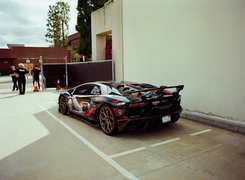 Horacio Pagani has