



The 10 Fastest Cars in the World: A Deep Dive into Automotive Speed Records in 2026
In the ever-evolving landscape of automotive engineering, the pursuit of ultimate speed remains a captivating benchmark for manufacturers and enthusiasts alike. As technology advances and materials science pushes boundaries, the realm of hypercars continues to redefine what’s possible on four wheels. This comprehensive exploration delves into the world’s fastest automobiles, examining the engineering marvels that have shattered previous records and set new standards for performance in 2026.
For decades, the concept of a “fast car” evoked images of roaring engines, aerodynamic bodies, and the sheer thrill of velocity. While the core allure of speed remains, the methods of achieving it have transformed dramatically. Modern hypercars blend traditional internal combustion power with cutting-edge hybrid systems and electric propulsion, creating machines that deliver unprecedented acceleration and top speeds. This evolution reflects not only a quest for dominance in the automotive arena but also a push toward greater efficiency and technological integration.
Understanding the nuances of these record-breaking vehicles requires looking beyond mere horsepower figures. Aerodynamics, weight distribution, tire technology, and powertrain management all play critical roles in determining a car’s ultimate potential. Furthermore, the legal and logistical challenges of testing these machines often lead to controversies and debates about what constitutes a “legitimate” speed record. This analysis will navigate these complexities, providing an in-depth look at the cars that have captured the imagination of the automotive world.
The Significance of Top Speed in 2026
While acceleration and track performance are increasingly important metrics, top speed remains a compelling symbol of automotive engineering prowess. In an era where electric vehicles (EVs) are rapidly gaining market share, the ability of hypercars to achieve speeds exceeding 300 mph demonstrates the continued relevance of combustion and hybrid technologies. These vehicles push the boundaries of physics, forcing engineers to reconsider fundamental design principles and material applications.
 However, the pursuit of top speed in 2026 is not merely about raw velocity. It represents a convergence of performance, technology, and exclusivity. The world’s fastest cars are typically produced in limited numbers, featuring bespoke materials, advanced aerodynamics, and personalized interiors. This exclusivity adds to their allure, making them coveted items for collectors and automotive aficionados. The price tags associated with these machines reflect the immense engineering effort, rare materials, and hand-built craftsmanship involved in their creation.
Moreover, the development of these vehicles often yields technological advancements that trickle down to more mainstream automotive applications. Innovations in thermal management, lightweight construction, and powertrain efficiency developed for hypercars can find their way into production vehicles, improving performance and sustainability across the industry. Thus, the pursuit of ultimate speed, while seemingly esoteric, has broader implications for automotive progress.
The Challenges of Setting Speed Records
Achieving and verifying top speed records in the modern era is a complex and often contentious process. Unlike the early days of automotive innovation, where manufacturers could claim speeds based on internal testing, today’s records require independent verification and adherence to specific standards. This has led to a more rigorous and transparent approach to record-setting, but it has also introduced new challenges.
One of the primary hurdles is finding suitable locations for testing. Public roads are generally unsuitable due to safety concerns and traffic restrictions. Dedicated test tracks, such as the Ehra-Lessien facility in Germany, are often the only viable options. However, these tracks may not always provide the ideal conditions for achieving maximum velocity. The length of the straightaway, surface quality, and altitude can all affect performance.
Furthermore, the definition of a “production car” for record-setting purposes has become a point of contention. Some manufacturers define a production car as one that has been produced in significant numbers, while others consider even limited runs of a few dozen vehicles as sufficient. This ambiguity has led to disputes over whether certain vehicles qualify for official recognition.
The role of tire technology is another critical factor. Tires must be capable of withstanding extreme forces at high speeds, and their development is a significant undertaking in itself. Not all hypercar manufacturers have the resources to develop bespoke tires, leading some to rely on commercially available options that may not be optimized for maximum velocity. This can create an uneven playing field in the pursuit of speed records.
Finally, the verification process itself can be challenging. Official bodies such as the Guinness World Records require independent confirmation of speed runs, including GPS data, video evidence, and sometimes even on-site observers. The logistics of organizing such events and ensuring the integrity of the data can be complex and time-consuming.
The Evolution of Speed: A Historical Perspective
To fully appreciate the achievements of modern hypercars, it’s essential to understand the historical context of speed records. The quest for ultimate velocity dates back to the early 20th century, when automobiles first began to challenge the dominance of horse-drawn carriages. Early speed attempts were often perilous, conducted on rough roads with rudimentary safety measures.
The 1930s marked a golden era for speed records, with manufacturers like Bugatti, Alfa Romeo, and Mercedes-Benz pushing the boundaries of performance. The outbreak of World War II brought a temporary halt to these pursuits, but the competition resumed with renewed vigor in the post-war era.
The 1960s and 1970s saw the rise of legendary machines like the Ferrari 250 GTO and the McLaren F1, which set new benchmarks for speed and performance. The 1980s and 1990s witnessed the emergence of Bugatti as a dominant force in the hypercar segment, with the EB110 and later the Veyron pushing the limits of what was thought possible.
However, the pursuit of top speed in 2026 is not merely about raw velocity. It represents a convergence of performance, technology, and exclusivity. The world’s fastest cars are typically produced in limited numbers, featuring bespoke materials, advanced aerodynamics, and personalized interiors. This exclusivity adds to their allure, making them coveted items for collectors and automotive aficionados. The price tags associated with these machines reflect the immense engineering effort, rare materials, and hand-built craftsmanship involved in their creation.
Moreover, the development of these vehicles often yields technological advancements that trickle down to more mainstream automotive applications. Innovations in thermal management, lightweight construction, and powertrain efficiency developed for hypercars can find their way into production vehicles, improving performance and sustainability across the industry. Thus, the pursuit of ultimate speed, while seemingly esoteric, has broader implications for automotive progress.
The Challenges of Setting Speed Records
Achieving and verifying top speed records in the modern era is a complex and often contentious process. Unlike the early days of automotive innovation, where manufacturers could claim speeds based on internal testing, today’s records require independent verification and adherence to specific standards. This has led to a more rigorous and transparent approach to record-setting, but it has also introduced new challenges.
One of the primary hurdles is finding suitable locations for testing. Public roads are generally unsuitable due to safety concerns and traffic restrictions. Dedicated test tracks, such as the Ehra-Lessien facility in Germany, are often the only viable options. However, these tracks may not always provide the ideal conditions for achieving maximum velocity. The length of the straightaway, surface quality, and altitude can all affect performance.
Furthermore, the definition of a “production car” for record-setting purposes has become a point of contention. Some manufacturers define a production car as one that has been produced in significant numbers, while others consider even limited runs of a few dozen vehicles as sufficient. This ambiguity has led to disputes over whether certain vehicles qualify for official recognition.
The role of tire technology is another critical factor. Tires must be capable of withstanding extreme forces at high speeds, and their development is a significant undertaking in itself. Not all hypercar manufacturers have the resources to develop bespoke tires, leading some to rely on commercially available options that may not be optimized for maximum velocity. This can create an uneven playing field in the pursuit of speed records.
Finally, the verification process itself can be challenging. Official bodies such as the Guinness World Records require independent confirmation of speed runs, including GPS data, video evidence, and sometimes even on-site observers. The logistics of organizing such events and ensuring the integrity of the data can be complex and time-consuming.
The Evolution of Speed: A Historical Perspective
To fully appreciate the achievements of modern hypercars, it’s essential to understand the historical context of speed records. The quest for ultimate velocity dates back to the early 20th century, when automobiles first began to challenge the dominance of horse-drawn carriages. Early speed attempts were often perilous, conducted on rough roads with rudimentary safety measures.
The 1930s marked a golden era for speed records, with manufacturers like Bugatti, Alfa Romeo, and Mercedes-Benz pushing the boundaries of performance. The outbreak of World War II brought a temporary halt to these pursuits, but the competition resumed with renewed vigor in the post-war era.
The 1960s and 1970s saw the rise of legendary machines like the Ferrari 250 GTO and the McLaren F1, which set new benchmarks for speed and performance. The 1980s and 1990s witnessed the emergence of Bugatti as a dominant force in the hypercar segment, with the EB110 and later the Veyron pushing the limits of what was thought possible.
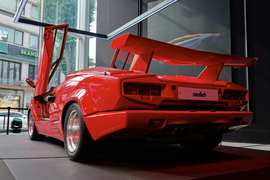 The 21st century has brought a new wave of contenders, including Koenigsegg, Rimac, and Hennessey, who have challenged Bugatti’s supremacy. The advent of electric propulsion has also transformed the landscape, with companies like Rimac demonstrating that electric powertrains can deliver performance comparable to, and in some cases exceeding, that of traditional combustion engines.
Top 10 Fastest Cars in 2026: A Comprehensive Analysis
Based on the latest data and industry trends in 2026, here is a comprehensive analysis of the top 10 fastest cars in the world. It is important to note that some of these figures are manufacturer claims that have yet to be independently verified, while others are based on official test results.
Koenigsegg Jesko Absolut
Koenigsegg’s Jesko Absolut continues to hold the top spot as the fastest production car in the world. Despite being unveiled several years ago, its theoretical top speed remains unmatched. The car is powered by a 5.0-liter twin-turbocharged V8 engine that produces 1,603 horsepower when running on E85 biofuel. Paired with a revolutionary 9-speed LST (Light Speed Transmission), the Jesko Absolut is designed to achieve speeds exceeding 330 mph (531 km/h).
The car’s aerodynamic design is a masterpiece of engineering, with a low drag coefficient of just 0.278 Cd. The long rear end and smooth underbody minimize air resistance, while active aerodynamic elements can adjust for optimal performance at different speeds. While Koenigsegg has yet to conduct a full-speed run to verify the theoretical top speed, the car’s performance in testing suggests that it is capable of achieving these extraordinary velocities.
Hennessey Venom F5
The Hennessey Venom F5, developed by the Texas-based manufacturer Hennessey Special Vehicles, is a formidable contender for the title of world’s fastest car. Named after the F5 tornado, which has wind speeds exceeding 313 mph (505 km/h), the Venom F5 is designed to push the boundaries of automotive performance. The car is powered by a 6.6-liter twin-turbocharged V8 engine that produces an astonishing 1,817 horsepower.
Hennessey has conducted multiple high-speed tests with the Venom F5, achieving speeds approaching its target of 311 mph (500 km/h). While a fully verified top speed run has yet to be completed, the car’s performance in testing suggests that it is capable of challenging the Jesko Absolut. The Venom F5’s lightweight carbon fiber construction and advanced aerodynamics make it a true engineering marvel.
Bugatti Chiron Super Sport 300+
Bugatti’s Chiron Super Sport 300+ holds the distinction of being the first production car to officially break the 300 mph barrier. During a test run in 2019, a pre-production prototype achieved a top speed of 304.77 mph (490.48 km/h). Although Bugatti limited the production version to a top speed of 273 mph (440 km/h) for safety reasons, the Super Sport 300+ remains a testament to Bugatti’s engineering prowess.
The car is powered by an 8.0-liter quad-turbocharged W16 engine that produces 1,600 horsepower. The Super Sport 300+ features an extended longtail design that reduces drag and improves stability at high speeds. The car’s carbon fiber monocoque construction and advanced aerodynamic elements make it a masterpiece of engineering.
SSC Tuatara
The 21st century has brought a new wave of contenders, including Koenigsegg, Rimac, and Hennessey, who have challenged Bugatti’s supremacy. The advent of electric propulsion has also transformed the landscape, with companies like Rimac demonstrating that electric powertrains can deliver performance comparable to, and in some cases exceeding, that of traditional combustion engines.
Top 10 Fastest Cars in 2026: A Comprehensive Analysis
Based on the latest data and industry trends in 2026, here is a comprehensive analysis of the top 10 fastest cars in the world. It is important to note that some of these figures are manufacturer claims that have yet to be independently verified, while others are based on official test results.
Koenigsegg Jesko Absolut
Koenigsegg’s Jesko Absolut continues to hold the top spot as the fastest production car in the world. Despite being unveiled several years ago, its theoretical top speed remains unmatched. The car is powered by a 5.0-liter twin-turbocharged V8 engine that produces 1,603 horsepower when running on E85 biofuel. Paired with a revolutionary 9-speed LST (Light Speed Transmission), the Jesko Absolut is designed to achieve speeds exceeding 330 mph (531 km/h).
The car’s aerodynamic design is a masterpiece of engineering, with a low drag coefficient of just 0.278 Cd. The long rear end and smooth underbody minimize air resistance, while active aerodynamic elements can adjust for optimal performance at different speeds. While Koenigsegg has yet to conduct a full-speed run to verify the theoretical top speed, the car’s performance in testing suggests that it is capable of achieving these extraordinary velocities.
Hennessey Venom F5
The Hennessey Venom F5, developed by the Texas-based manufacturer Hennessey Special Vehicles, is a formidable contender for the title of world’s fastest car. Named after the F5 tornado, which has wind speeds exceeding 313 mph (505 km/h), the Venom F5 is designed to push the boundaries of automotive performance. The car is powered by a 6.6-liter twin-turbocharged V8 engine that produces an astonishing 1,817 horsepower.
Hennessey has conducted multiple high-speed tests with the Venom F5, achieving speeds approaching its target of 311 mph (500 km/h). While a fully verified top speed run has yet to be completed, the car’s performance in testing suggests that it is capable of challenging the Jesko Absolut. The Venom F5’s lightweight carbon fiber construction and advanced aerodynamics make it a true engineering marvel.
Bugatti Chiron Super Sport 300+
Bugatti’s Chiron Super Sport 300+ holds the distinction of being the first production car to officially break the 300 mph barrier. During a test run in 2019, a pre-production prototype achieved a top speed of 304.77 mph (490.48 km/h). Although Bugatti limited the production version to a top speed of 273 mph (440 km/h) for safety reasons, the Super Sport 300+ remains a testament to Bugatti’s engineering prowess.
The car is powered by an 8.0-liter quad-turbocharged W16 engine that produces 1,600 horsepower. The Super Sport 300+ features an extended longtail design that reduces drag and improves stability at high speeds. The car’s carbon fiber monocoque construction and advanced aerodynamic elements make it a masterpiece of engineering.
SSC Tuatara
 The SSC Tuatara, developed by Shelby SuperCars (SSC), has been at the center of controversy regarding its top speed claims. In 2020, SSC announced that the Tuatara had achieved a two-way average speed of 316 mph (509 km/h), which would have made it the fastest production car in the world. However,