



The Thrill of the Chase: A Deep Dive into the World’s Fastest Cars in 2026
For as long as humans have crafted machines with wheels, there has been an insatiable desire to push the boundaries of speed. From the earliest steam-powered contraptions to the electric hypercars of today, the quest for the fastest car in the world has captivated engineers, enthusiasts, and dreamers alike. In 2026, this pursuit has reached a level of technological sophistication that would have been unimaginable just a decade ago. We are no longer just talking about brute horsepower; we are witnessing the convergence of aerodynamics, artificial intelligence, and sustainable energy in vehicles that redefine what is possible on four wheels.
Owning a car remains a powerful symbol of status, freedom, and personal achievement for many across the globe. Whether it’s the reliable sedan that ferries families to school or the exotic supercar that graces the winding roads of the French Riviera, the vehicle we choose reflects our aspirations and lifestyle. But for a select group of individuals, the ultimate status symbol isn’t just about luxury or comfort—it’s about raw, unadulterated velocity. These are the machines that make us fantasize, the ones that adorn bedroom walls and computer desktops, the benchmarks against which all other performance vehicles are measured.
In the modern automotive landscape, the term “fast” has evolved. Gone are the days when a powerful engine and a sleek body were enough to claim the title. Today’s top contenders are marvels of engineering, featuring active aerodynamic systems that adjust in milliseconds, lightweight carbon fiber construction that borders on aerospace technology, and hybrid or fully electric powertrains that deliver instant torque that pins you to your seat. The marketing departments of these elite manufacturers rarely need to shout; the performance figures speak for themselves, creating a mystique that only adds to the allure.
For the average consumer, identifying the true champions of speed can be a challenge. The automotive press is flooded with claims, counter-claims, and modified vehicles that blur the lines between production cars and one-off creations. What one publication declares the fastest, another may dispute based on different testing methodologies or track conditions. This very uncertainty, however, fuels the passion of the community, creating a never-ending debate that keeps the world of hypercars vibrant and exciting.
 This article serves as your definitive guide to the current titans of speed. We have scoured the globe, consulted with industry insiders, and analyzed the latest performance data to bring you an updated look at the fastest cars in the world as of 2026. We will delve into the technology that makes these machines possible, explore the innovations that set them apart, and, of course, reveal the rankings that will undoubtedly spark conversation among fellow automotive enthusiasts.
The Hybrid Maestro: 2026 Porsche 918 Spyder Legacy
While technically a 2014 model, the Porsche 918 Spyder continues to hold a firm grip on the hearts of hypercar aficionados, and its influence on 2026 designs is undeniable. It represents the perfect synthesis of Porsche’s racing pedigree and forward-thinking hybrid technology. In an era where electric performance is king, the 918 stands as a testament to the fact that hybridization can enhance, rather than dilute, the driving experience.
The powertrain of the 918 Spyder is a masterpiece of engineering. It combines a high-revving 4.6-liter V8 engine, derived from Porsche’s RS Spyder LMP2 race car, with two electric motors—one powering the front wheels and another integrated into the rear transmission. This setup delivers a combined output of 887 horsepower and 944 lb-ft of torque. What makes the 918 truly remarkable is its ability to deploy this power with surgical precision. The electric motors provide instant torque for breathtaking acceleration, while the V8 delivers a symphonic soundtrack as it screams towards its 9,150 rpm redline.
Top Speed: 214 mph (344 km/h)
The 918’s top speed may not match the stratospheric figures of some of its purely combustion-engined rivals, but its true genius lies in its cornering ability. Thanks to Porsche’s Torque Vectoring Plus system, the car can actively distribute torque between the wheels, allowing it to carve through corners with a level of precision that feels telepathic. The lightweight carbon fiber monocoque chassis and advanced aerodynamics contribute to a driving experience that is both exhilarating and confidence-inspiring.
In 2026, the 918 Spyder serves as a benchmark for modern hybrid hypercars. Its relatively compact dimensions and driver-focused layout contrast sharply with some of the larger, more technologically complex vehicles on this list. For those who value the purity of the driving experience above outright top speed, the 918 remains one of the most desirable cars ever built. It is a reminder that sometimes, the most thrilling journeys are not the fastest in a straight line, but the ones that test the limits of driver and machine in perfect harmony.
The All-Electric Challenger: 2026 Rimac Nevera
The Rimac Nevera is the embodiment of the electric revolution in the hypercar world. Developed by the Croatian automotive visionary Mate Rimac, this all-electric machine shatters traditional notions of performance. It is not merely a fast car; it is a technological tour de force that demonstrates the staggering potential of electric powertrains when unburdened by the constraints of internal combustion.
The Nevera’s powertrain is nothing short of astonishing. It features four independent electric motors, one for each wheel, providing precise torque vectoring that allows the car to adapt to changing road conditions in milliseconds. Together, these motors produce a mind-boggling 1,914 horsepower and 2,360 lb-ft of torque. This massive power output translates into acceleration figures that defy belief. The Nevera can rocket from 0 to 60 mph in a mere 1.85 seconds, a figure that would have been science fiction just a decade ago.
Top Speed: 258 mph (415 km/h)
This article serves as your definitive guide to the current titans of speed. We have scoured the globe, consulted with industry insiders, and analyzed the latest performance data to bring you an updated look at the fastest cars in the world as of 2026. We will delve into the technology that makes these machines possible, explore the innovations that set them apart, and, of course, reveal the rankings that will undoubtedly spark conversation among fellow automotive enthusiasts.
The Hybrid Maestro: 2026 Porsche 918 Spyder Legacy
While technically a 2014 model, the Porsche 918 Spyder continues to hold a firm grip on the hearts of hypercar aficionados, and its influence on 2026 designs is undeniable. It represents the perfect synthesis of Porsche’s racing pedigree and forward-thinking hybrid technology. In an era where electric performance is king, the 918 stands as a testament to the fact that hybridization can enhance, rather than dilute, the driving experience.
The powertrain of the 918 Spyder is a masterpiece of engineering. It combines a high-revving 4.6-liter V8 engine, derived from Porsche’s RS Spyder LMP2 race car, with two electric motors—one powering the front wheels and another integrated into the rear transmission. This setup delivers a combined output of 887 horsepower and 944 lb-ft of torque. What makes the 918 truly remarkable is its ability to deploy this power with surgical precision. The electric motors provide instant torque for breathtaking acceleration, while the V8 delivers a symphonic soundtrack as it screams towards its 9,150 rpm redline.
Top Speed: 214 mph (344 km/h)
The 918’s top speed may not match the stratospheric figures of some of its purely combustion-engined rivals, but its true genius lies in its cornering ability. Thanks to Porsche’s Torque Vectoring Plus system, the car can actively distribute torque between the wheels, allowing it to carve through corners with a level of precision that feels telepathic. The lightweight carbon fiber monocoque chassis and advanced aerodynamics contribute to a driving experience that is both exhilarating and confidence-inspiring.
In 2026, the 918 Spyder serves as a benchmark for modern hybrid hypercars. Its relatively compact dimensions and driver-focused layout contrast sharply with some of the larger, more technologically complex vehicles on this list. For those who value the purity of the driving experience above outright top speed, the 918 remains one of the most desirable cars ever built. It is a reminder that sometimes, the most thrilling journeys are not the fastest in a straight line, but the ones that test the limits of driver and machine in perfect harmony.
The All-Electric Challenger: 2026 Rimac Nevera
The Rimac Nevera is the embodiment of the electric revolution in the hypercar world. Developed by the Croatian automotive visionary Mate Rimac, this all-electric machine shatters traditional notions of performance. It is not merely a fast car; it is a technological tour de force that demonstrates the staggering potential of electric powertrains when unburdened by the constraints of internal combustion.
The Nevera’s powertrain is nothing short of astonishing. It features four independent electric motors, one for each wheel, providing precise torque vectoring that allows the car to adapt to changing road conditions in milliseconds. Together, these motors produce a mind-boggling 1,914 horsepower and 2,360 lb-ft of torque. This massive power output translates into acceleration figures that defy belief. The Nevera can rocket from 0 to 60 mph in a mere 1.85 seconds, a figure that would have been science fiction just a decade ago.
Top Speed: 258 mph (415 km/h)
 Beyond its straight-line prowess, the Nevera excels in handling and agility. The car’s weight distribution is near-perfect, thanks to the skateboard-style battery architecture. The advanced torque vectoring system allows for incredible cornering speeds, with the car able to adjust the power sent to each wheel independently to maintain grip and stability. This results in a driving experience that is both exhilarating and surprisingly manageable, despite the car’s immense power.
The Nevera’s design is as striking as its performance. The sleek, aerodynamic body is crafted from carbon fiber, with active aerodynamic elements that adjust to optimize downforce and reduce drag at high speeds. The interior is a blend of luxury and technology, featuring premium materials and a state-of-the-art infotainment system that provides the driver with real-time performance data.
In 2026, the Rimac Nevera stands as a beacon of innovation. It has proven that electric vehicles can not only compete with the fastest cars in the world but can also surpass them in key performance metrics. For those seeking the cutting edge of automotive technology and a driving experience that redefines the meaning of acceleration, the Nevera is the undisputed champion. It is a glimpse into the future of automotive performance, delivered today.
The Aerodynamic Masterpiece: 2026 Mercedes-AMG Project ONE
The Mercedes-AMG Project ONE is the culmination of a decade-long dream: to bring Formula 1 technology to the road. For years, engineers have attempted to bridge the gap between the racetrack and the street, but it was Mercedes-AMG that finally succeeded with this extraordinary machine. The Project ONE is not just a supercar; it is a rolling testament to the pinnacle of automotive engineering.
At the heart of the Project ONE lies a 1.6-liter V6 hybrid powertrain derived directly from the Mercedes-AMG Petronas Formula 1 car. This is not a simplified version for road use; it is the actual engine technology, albeit with modifications for longevity and drivability. The engine features a single turbocharger and an electric motor integrated into the turbocharger itself, which spins at speeds of up to 125,000 rpm to virtually eliminate turbo lag.
Combined with three additional electric motors—one for each front wheel and one for the crankshaft—the Project ONE produces a staggering 1,000-plus horsepower. What sets this powertrain apart is its ability to rev to an incredible 11,000 rpm, a feat previously unthinkable in a road car. This high-revving capability, combined with the instant torque of the electric motors, delivers a driving experience that is nothing short of breathtaking.
Top Speed: 217 mph (349 km/h)
The Project ONE’s aerodynamic design is a work of art. Every curve and vent has been meticulously sculpted to optimize airflow and generate downforce. The car features an active rear wing that adjusts based on speed and driving conditions, as well as active louvers on the front wheel arches that open and close to manage airflow. This sophisticated aerodynamic package allows the car to maintain stability at high speeds while providing the downforce needed for exceptional cornering performance.
Inside, the Project ONE offers a surprisingly luxurious cabin, despite its race-car origins. The seats are integrated into the carbon fiber monocoque, providing a snug and supportive fit for the driver and passenger. The dashboard is dominated by a digital display that provides access to a wealth of performance data, including real-time telemetry and lap times.
Beyond its straight-line prowess, the Nevera excels in handling and agility. The car’s weight distribution is near-perfect, thanks to the skateboard-style battery architecture. The advanced torque vectoring system allows for incredible cornering speeds, with the car able to adjust the power sent to each wheel independently to maintain grip and stability. This results in a driving experience that is both exhilarating and surprisingly manageable, despite the car’s immense power.
The Nevera’s design is as striking as its performance. The sleek, aerodynamic body is crafted from carbon fiber, with active aerodynamic elements that adjust to optimize downforce and reduce drag at high speeds. The interior is a blend of luxury and technology, featuring premium materials and a state-of-the-art infotainment system that provides the driver with real-time performance data.
In 2026, the Rimac Nevera stands as a beacon of innovation. It has proven that electric vehicles can not only compete with the fastest cars in the world but can also surpass them in key performance metrics. For those seeking the cutting edge of automotive technology and a driving experience that redefines the meaning of acceleration, the Nevera is the undisputed champion. It is a glimpse into the future of automotive performance, delivered today.
The Aerodynamic Masterpiece: 2026 Mercedes-AMG Project ONE
The Mercedes-AMG Project ONE is the culmination of a decade-long dream: to bring Formula 1 technology to the road. For years, engineers have attempted to bridge the gap between the racetrack and the street, but it was Mercedes-AMG that finally succeeded with this extraordinary machine. The Project ONE is not just a supercar; it is a rolling testament to the pinnacle of automotive engineering.
At the heart of the Project ONE lies a 1.6-liter V6 hybrid powertrain derived directly from the Mercedes-AMG Petronas Formula 1 car. This is not a simplified version for road use; it is the actual engine technology, albeit with modifications for longevity and drivability. The engine features a single turbocharger and an electric motor integrated into the turbocharger itself, which spins at speeds of up to 125,000 rpm to virtually eliminate turbo lag.
Combined with three additional electric motors—one for each front wheel and one for the crankshaft—the Project ONE produces a staggering 1,000-plus horsepower. What sets this powertrain apart is its ability to rev to an incredible 11,000 rpm, a feat previously unthinkable in a road car. This high-revving capability, combined with the instant torque of the electric motors, delivers a driving experience that is nothing short of breathtaking.
Top Speed: 217 mph (349 km/h)
The Project ONE’s aerodynamic design is a work of art. Every curve and vent has been meticulously sculpted to optimize airflow and generate downforce. The car features an active rear wing that adjusts based on speed and driving conditions, as well as active louvers on the front wheel arches that open and close to manage airflow. This sophisticated aerodynamic package allows the car to maintain stability at high speeds while providing the downforce needed for exceptional cornering performance.
Inside, the Project ONE offers a surprisingly luxurious cabin, despite its race-car origins. The seats are integrated into the carbon fiber monocoque, providing a snug and supportive fit for the driver and passenger. The dashboard is dominated by a digital display that provides access to a wealth of performance data, including real-time telemetry and lap times.
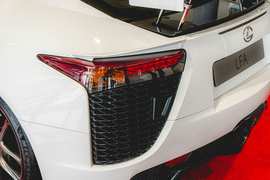 In 2026, the Mercedes-AMG Project ONE remains one