



The 2026 Supercar Speed Wars: Decoding the Pinnacle of Automotive Velocity
The year 2026 has ushered in an era of automotive extravagance where the definition of ‘fast’ has been completely recalibrated. In the hyper-exclusive realm of top-tier supercars, speeds previously considered theoretical are now commonplace. This elite segment operates on a different economic scale, where multi-million-dollar investments are treated as collector’s items, often hidden away in climate-controlled garages rather than being unleashed on public roads. The central question looming over this arena is whether these mechanical masterpieces are built for the pure thrill of driving or simply as static symbols of wealth. For those who appreciate engineering excellence, the temptation to experience these machines at their intended limits is almost irresistible.
Let’s embark on a comprehensive exploration of the 10 fastest supercars currently defining the benchmark for speed and performance in 2026.
Rimac Nevera: The Electric Storm Redefining Speed
The Rimac Nevera, hailing from Croatia, stands as a testament to the disruptive potential of electric vehicle technology. Named after a Mediterranean storm, the Nevera embodies raw, untamed power. Its quad-motor setup delivers a staggering 1,914 horsepower, propelling it from 0 to 60 mph in a scarcely believable 1.85 seconds. The official top speed clocks in at 258 mph, though enthusiasts speculate that with the electronic limiter removed, the car could potentially push even further.
 What sets the Nevera apart is its sophisticated active aerodynamics. The rear wing adjusts dynamically, serving not only as a downforce generator but also as an air brake when descending from high velocities. Inside, the cabin merges luxurious materials with cutting-edge technology, featuring a fully digital driver interface. However, the Nevera is not without its practical quirks; its extreme performance often leads to tire degradation at track speeds, necessitating frequent replacements. Despite a price tag approaching $2.4 million, the demand remains insatiable, with production capped at 150 units. For those seeking the ultimate electric hypercar experience, the Nevera remains the undisputed king of the 2026 landscape.
Bugatti Chiron Super Sport 300+: A Milestone in Velocity
Bugatti has long been synonymous with extreme speed, and the Chiron Super Sport 300+ represents the zenith of their W16 quad-turbocharged engine era. This French marvel shattered the mythical 300 mph barrier, officially recording a top speed of 304.77 mph during testing. While this specific run was achieved with a slightly modified prototype, customer versions are electronically limited to 273 mph for safety reasons.
Under the hood lies the gargantuan 8.0-liter W16 engine, producing an astounding 1,578 horsepower. The engineering required to manage this level of power is nothing short of miraculous. The long-tail aerodynamic design minimizes drag, while the titanium exhaust system ensures the engine’s symphony is heard across state lines. The interior is a blend of luxury and motorsport DNA, featuring carbon fiber extensively and bespoke Bugatti craftsmanship. At approximately $3.9 million, the Super Sport 300+ is more than a car; it’s a rolling monument to automotive engineering prowess. Its legacy as one of the last true analog hypercars ensures its place in automotive history.
Koenigsegg Jesko Absolut: The Speed Demon
Swedish manufacturer Koenigsegg has built its reputation on challenging the status quo, and the Jesko Absolut is the physical embodiment of that philosophy. Designed specifically to achieve the highest possible top speed, Koenigsegg has yet to officially verify the Absolut’s maximum velocity, but simulations suggest it could exceed 330 mph. The “Absolut” designation signifies its status as the ultimate speed machine in the Koenigsegg lineup.
Powering this beast is a twin-turbocharged 5.0-liter V8 engine that produces a mind-bending 1,600 horsepower on E85 biofuel. The revolutionary Light Speed Transmission (LST) allows for instantaneous gear changes, optimizing acceleration at any speed. Aerodynamically, the car is a marvel of computational design, featuring a teardrop shape and a fixed rear wing that replaces the active systems found on other models. The interior is minimalist yet luxurious, focusing entirely on the driving experience. With a price tag around $3 million, the Jesko Absolut represents the pinnacle of Swedish engineering and a serious contender for the title of the world’s fastest production car.
Hennessey Venom F5: Texas-Sized Ambition
From the heart of Texas comes the Hennessey Venom F5, a car designed with one singular goal: to break the 311 mph (500 km/h) barrier. John Hennessey and his team have engineered a machine that blends American muscle with supercar precision. The F5 is powered by a bespoke 6.6-liter twin-turbocharged V8 engine, affectionately nicknamed “Fury,” which produces a staggering 1,817 horsepower.
The chassis is a carbon fiber monocoque, ensuring rigidity and minimizing weight. Hennessey has conducted rigorous testing at the Kennedy Space Center, pushing the Venom F5 to its limits. While official top speed runs are ongoing, the car has demonstrated speeds well in excess of 270 mph. The interior is driver-focused, with Alcantara and carbon fiber dominating the cabin. With a price of around $2.1 million, the Venom F5 is a testament to American ingenuity and a formidable challenger in the 2026 supercar wars.
SSC Tuatara: An Ongoing Quest for the Record
What sets the Nevera apart is its sophisticated active aerodynamics. The rear wing adjusts dynamically, serving not only as a downforce generator but also as an air brake when descending from high velocities. Inside, the cabin merges luxurious materials with cutting-edge technology, featuring a fully digital driver interface. However, the Nevera is not without its practical quirks; its extreme performance often leads to tire degradation at track speeds, necessitating frequent replacements. Despite a price tag approaching $2.4 million, the demand remains insatiable, with production capped at 150 units. For those seeking the ultimate electric hypercar experience, the Nevera remains the undisputed king of the 2026 landscape.
Bugatti Chiron Super Sport 300+: A Milestone in Velocity
Bugatti has long been synonymous with extreme speed, and the Chiron Super Sport 300+ represents the zenith of their W16 quad-turbocharged engine era. This French marvel shattered the mythical 300 mph barrier, officially recording a top speed of 304.77 mph during testing. While this specific run was achieved with a slightly modified prototype, customer versions are electronically limited to 273 mph for safety reasons.
Under the hood lies the gargantuan 8.0-liter W16 engine, producing an astounding 1,578 horsepower. The engineering required to manage this level of power is nothing short of miraculous. The long-tail aerodynamic design minimizes drag, while the titanium exhaust system ensures the engine’s symphony is heard across state lines. The interior is a blend of luxury and motorsport DNA, featuring carbon fiber extensively and bespoke Bugatti craftsmanship. At approximately $3.9 million, the Super Sport 300+ is more than a car; it’s a rolling monument to automotive engineering prowess. Its legacy as one of the last true analog hypercars ensures its place in automotive history.
Koenigsegg Jesko Absolut: The Speed Demon
Swedish manufacturer Koenigsegg has built its reputation on challenging the status quo, and the Jesko Absolut is the physical embodiment of that philosophy. Designed specifically to achieve the highest possible top speed, Koenigsegg has yet to officially verify the Absolut’s maximum velocity, but simulations suggest it could exceed 330 mph. The “Absolut” designation signifies its status as the ultimate speed machine in the Koenigsegg lineup.
Powering this beast is a twin-turbocharged 5.0-liter V8 engine that produces a mind-bending 1,600 horsepower on E85 biofuel. The revolutionary Light Speed Transmission (LST) allows for instantaneous gear changes, optimizing acceleration at any speed. Aerodynamically, the car is a marvel of computational design, featuring a teardrop shape and a fixed rear wing that replaces the active systems found on other models. The interior is minimalist yet luxurious, focusing entirely on the driving experience. With a price tag around $3 million, the Jesko Absolut represents the pinnacle of Swedish engineering and a serious contender for the title of the world’s fastest production car.
Hennessey Venom F5: Texas-Sized Ambition
From the heart of Texas comes the Hennessey Venom F5, a car designed with one singular goal: to break the 311 mph (500 km/h) barrier. John Hennessey and his team have engineered a machine that blends American muscle with supercar precision. The F5 is powered by a bespoke 6.6-liter twin-turbocharged V8 engine, affectionately nicknamed “Fury,” which produces a staggering 1,817 horsepower.
The chassis is a carbon fiber monocoque, ensuring rigidity and minimizing weight. Hennessey has conducted rigorous testing at the Kennedy Space Center, pushing the Venom F5 to its limits. While official top speed runs are ongoing, the car has demonstrated speeds well in excess of 270 mph. The interior is driver-focused, with Alcantara and carbon fiber dominating the cabin. With a price of around $2.1 million, the Venom F5 is a testament to American ingenuity and a formidable challenger in the 2026 supercar wars.
SSC Tuatara: An Ongoing Quest for the Record
 The SSC Tuatara has had a tumultuous journey in its pursuit of the world’s fastest car title. After a controversial initial record attempt, SSC has since conducted verified runs that place the Tuatara firmly among the elite. The car is powered by a 5.9-liter twin-turbocharged V8 engine producing 1,750 horsepower on E85 fuel.
The Tuatara’s aerodynamic design is a work of art, featuring an aggressive rear diffuser and active aero elements that optimize downforce at high speeds. In its verified record runs, the Tuatara achieved a two-way average speed of 282.9 mph, with a peak speed of 295 mph. While this falls short of the mythical 300 mph mark, SSC remains confident that with optimal conditions, the Tuatara can achieve its goal. The interior is a blend of luxury and technology, featuring a digital cockpit and premium materials. At around $1.9 million, the Tuatara represents a compelling option for those seeking extreme performance with a touch of controversy.
Aston Martin Valkyrie: F1 Technology for the Road
The Aston Martin Valkyrie represents a radical departure from traditional GT comfort, embracing the brutal efficiency of Formula 1. Developed in collaboration with Red Bull Racing and legendary designer Adrian Newey, the Valkyrie is essentially a road-legal race car. Its heart is a naturally aspirated 6.5-liter Cosworth V12 engine, augmented by a Rimac-supplied KERS hybrid system, producing a combined 1,160 horsepower.
What truly sets the Valkyrie apart is its aerodynamic efficiency. The underbody channels air to create a massive downforce effect, allowing the car to generate incredible cornering forces. The interior is a tight, cockpit-like environment with minimalist switchgear and a race-inspired steering wheel. The Valkyrie’s top speed is electronically limited to around 220 mph, but its true performance lies in its track capability. At approximately $3 million, the Valkyrie is more than a car; it’s a statement of intent from Aston Martin, proving they can compete at the highest level of hypercar performance.
McLaren Speedtail: The Ultrafast British Cruiser
McLaren’s Speedtail redefines the concept of a high-speed hypercar by blending extreme velocity with unprecedented luxury. Unlike its more track-focused siblings, the Speedtail prioritizes smooth, effortless speed. Its unique teardrop shape and active aerodynamics allow it to slice through the air with minimal resistance.
Powering the Speedtail is a hybrid powertrain that combines a twin-turbocharged 4.0-liter V8 with an electric motor, producing a combined 1,036 horsepower. This allows the Speedtail to reach an electronically limited top speed of 250 mph, with a claimed 0-186 mph time of just 12.8 seconds. The interior is a showcase of British craftsmanship, featuring sustainable materials and a unique three-seat layout with the driver positioned centrally, reminiscent of the McLaren F1. At around $2.3 million, the Speedtail is the perfect blend of performance and comfort, making it the ultimate long-distance hypercar.
Pininfarina Battista: Italian Elegance Meets Electric Power
The Pininfarina Battista represents the first all-electric hypercar from the legendary Italian design house. Named after Battista “Pinin” Farina, the company’s founder, the Battista is a work of automotive art. Its design is fluid and organic, with sensuous lines that flow seamlessly from front to back.
The SSC Tuatara has had a tumultuous journey in its pursuit of the world’s fastest car title. After a controversial initial record attempt, SSC has since conducted verified runs that place the Tuatara firmly among the elite. The car is powered by a 5.9-liter twin-turbocharged V8 engine producing 1,750 horsepower on E85 fuel.
The Tuatara’s aerodynamic design is a work of art, featuring an aggressive rear diffuser and active aero elements that optimize downforce at high speeds. In its verified record runs, the Tuatara achieved a two-way average speed of 282.9 mph, with a peak speed of 295 mph. While this falls short of the mythical 300 mph mark, SSC remains confident that with optimal conditions, the Tuatara can achieve its goal. The interior is a blend of luxury and technology, featuring a digital cockpit and premium materials. At around $1.9 million, the Tuatara represents a compelling option for those seeking extreme performance with a touch of controversy.
Aston Martin Valkyrie: F1 Technology for the Road
The Aston Martin Valkyrie represents a radical departure from traditional GT comfort, embracing the brutal efficiency of Formula 1. Developed in collaboration with Red Bull Racing and legendary designer Adrian Newey, the Valkyrie is essentially a road-legal race car. Its heart is a naturally aspirated 6.5-liter Cosworth V12 engine, augmented by a Rimac-supplied KERS hybrid system, producing a combined 1,160 horsepower.
What truly sets the Valkyrie apart is its aerodynamic efficiency. The underbody channels air to create a massive downforce effect, allowing the car to generate incredible cornering forces. The interior is a tight, cockpit-like environment with minimalist switchgear and a race-inspired steering wheel. The Valkyrie’s top speed is electronically limited to around 220 mph, but its true performance lies in its track capability. At approximately $3 million, the Valkyrie is more than a car; it’s a statement of intent from Aston Martin, proving they can compete at the highest level of hypercar performance.
McLaren Speedtail: The Ultrafast British Cruiser
McLaren’s Speedtail redefines the concept of a high-speed hypercar by blending extreme velocity with unprecedented luxury. Unlike its more track-focused siblings, the Speedtail prioritizes smooth, effortless speed. Its unique teardrop shape and active aerodynamics allow it to slice through the air with minimal resistance.
Powering the Speedtail is a hybrid powertrain that combines a twin-turbocharged 4.0-liter V8 with an electric motor, producing a combined 1,036 horsepower. This allows the Speedtail to reach an electronically limited top speed of 250 mph, with a claimed 0-186 mph time of just 12.8 seconds. The interior is a showcase of British craftsmanship, featuring sustainable materials and a unique three-seat layout with the driver positioned centrally, reminiscent of the McLaren F1. At around $2.3 million, the Speedtail is the perfect blend of performance and comfort, making it the ultimate long-distance hypercar.
Pininfarina Battista: Italian Elegance Meets Electric Power
The Pininfarina Battista represents the first all-electric hypercar from the legendary Italian design house. Named after Battista “Pinin” Farina, the company’s founder, the Battista is a work of automotive art. Its design is fluid and organic, with sensuous lines that flow seamlessly from front to back.
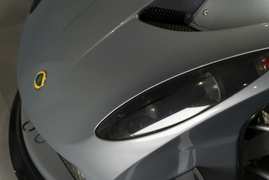 Underneath the stunning exterior lies a potent electric powertrain developed in collaboration with Rimac. Four electric motors, one for each wheel, deliver a combined 1,900 horsepower, enabling a 0-60 mph time of under 2 seconds and a top speed of 217 mph. The interior is a masterclass in Italian design, featuring sustainable materials like vegan leather and recycled carbon fiber. With production limited to 150 units and