



The Ultimate 2026 Guide to the World’s Fastest Supercars
Welcome to the exclusive realm where 200 mph is merely the entry ticket. In the hyper-competitive arena of top-tier supercars, anything less than this benchmark is considered amateurish—just a leisurely Sunday drive. This is a world of limited editions, often fetching prices comparable to masterpieces by Picasso or Van Gogh, yet capable of speeds that redefine automotive performance. The burning question remains: will these fortunate owners dare to unleash their multi-million-dollar machines on a racetrack, pushing them near their absolute limits, or will they remain pristine exhibits in private collections? As seasoned industry insiders with a decade of experience, we know exactly what we would do with any of the vehicles on our meticulously curated 2026 list, and it certainly wouldn’t involve just admiring them from afar.
Over the past ten years, the supercar landscape has evolved dramatically. We’ve witnessed the transition from purely gasoline-powered marvels to the rise of electric and hybrid hypercars that challenge conventional notions of speed and efficiency. This evolution has blurred the lines between traditional automakers and innovative startups, creating a thrilling, unpredictable market. As we look at the 2026 scene, the emphasis isn’t just on top speed but also on aerodynamics, sustainable performance, and digital integration—hallmarks of modern automotive engineering.
Rimac Nevera: The Electric Dominator
Leading our 2026 list is the Rimac Nevera, a Croatian electric powerhouse that continues to set benchmarks for EV performance. Named after Mediterranean storms that flash across the Adriatic Sea, the Nevera embodies raw, untamed energy. “A Nevera is extremely powerful and charged by lightning,” states the company, perfectly capturing its essence.
Technical Specifications and Performance:
The Nevera features four independent electric motors, one for each wheel, delivering a combined output of 1,914 horsepower and 2,360 Nm of torque. This colossal power enables the Nevera to accelerate from 0 to 60 mph in a scarcely believable 1.81 seconds. Its top speed is electronically limited to 258 mph, though private testing has reportedly pushed it even faster. The car’s aerodynamic profile is a masterclass in engineering, with an active rear wing that adjusts for optimal downforce and acts as an air brake when needed.
The 2026 Perspective:
In 2026, the Nevera stands as a testament to the viability of electric hypercars. Its success has inspired traditional manufacturers to accelerate their EV programs, making the Nevera a pivotal vehicle in the ongoing automotive revolution. The Croatian startup, now a dominant force in the industry, continues to refine its technology, ensuring the Nevera remains at the forefront of high-performance motoring. For those seeking the pinnacle of electric speed and innovation, the Nevera is the undisputed champion.
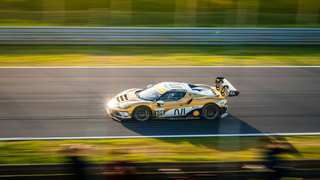 Bugatti Bolide: The Track-Focused Monster
Bugatti’s latest offering, the Bolide, represents the ultimate expression of the company’s legendary W16 engine. This track-only hypercar pushes the boundaries of engineering and design, creating a machine that looks as intimidating as it performs.
Technical Specifications and Performance:
Powered by an 8-liter W16 engine producing a staggering 1,824 horsepower in track mode, the Bolide is a force of nature. Its design is inspired by Le Mans-winning prototype racers, featuring aggressive aerodynamics and a lightweight carbon fiber monocoque construction. The Bolide’s top speed is officially stated at 311 mph, a figure that solidifies its position as one of the fastest cars ever built. The car’s aerodynamic elements, including a prominent rear wing and front air intakes, are designed to generate immense downforce, keeping the car planted at extreme velocities.
The 2026 Perspective:
While the Bolide’s production run is limited to just 40 units, its impact on the supercar industry is immeasurable. It demonstrates Bugatti’s commitment to performance engineering while also serving as a rolling testbed for new technologies. The Bolide’s success has spurred competitors to develop their own track-focused hypercars, ensuring the high-performance segment remains vibrant and competitive. For collectors seeking the ultimate driving machine, the Bolide represents the pinnacle of automotive achievement.
Koenigsegg Jesko: Swedish Engineering Excellence
Koenigsegg Automotive continues to defy convention with the Jesko, a Swedish-engineered hypercar that combines extreme performance with remarkable efficiency. Named after Christian von Koenigsegg’s father, the Jesko represents the culmination of decades of innovation and engineering prowess.
Technical Specifications and Performance:
At the heart of the Jesko lies a 5.0-liter twin-turbocharged V8 engine that produces 1,600 horsepower on E85 biofuel. The car features Koenigsegg’s revolutionary “Light Speed Transmission” (LST), a multi-clutch transmission that enables lightning-fast gear changes. The Jesko’s aerodynamic design is equally impressive, with a prominent rear wing and front splitter that generate significant downforce. The car’s top speed is unofficially claimed to exceed 300 mph, making it one of the fastest production cars in the world.
The 2026 Perspective:
In 2026, the Jesko remains a benchmark for hypercar performance. Its innovative technology and engineering excellence have inspired a new generation of automakers to push the boundaries of what’s possible. The Jesko’s success has also helped to elevate the Swedish automotive industry, demonstrating that world-class performance cars can come from unexpected places. For those seeking the ultimate combination of speed, technology, and design, the Jesko is an undeniable contender.
Aston Martin Valkyrie: Formula One Technology for the Road
The Aston Martin Valkyrie represents a groundbreaking collaboration between a traditional luxury automaker and a Formula One team. Developed in partnership with Red Bull Racing’s Adrian Newey, the Valkyrie brings F1-derived technology to the road in a stunning package.
Technical Specifications and Performance:
Bugatti Bolide: The Track-Focused Monster
Bugatti’s latest offering, the Bolide, represents the ultimate expression of the company’s legendary W16 engine. This track-only hypercar pushes the boundaries of engineering and design, creating a machine that looks as intimidating as it performs.
Technical Specifications and Performance:
Powered by an 8-liter W16 engine producing a staggering 1,824 horsepower in track mode, the Bolide is a force of nature. Its design is inspired by Le Mans-winning prototype racers, featuring aggressive aerodynamics and a lightweight carbon fiber monocoque construction. The Bolide’s top speed is officially stated at 311 mph, a figure that solidifies its position as one of the fastest cars ever built. The car’s aerodynamic elements, including a prominent rear wing and front air intakes, are designed to generate immense downforce, keeping the car planted at extreme velocities.
The 2026 Perspective:
While the Bolide’s production run is limited to just 40 units, its impact on the supercar industry is immeasurable. It demonstrates Bugatti’s commitment to performance engineering while also serving as a rolling testbed for new technologies. The Bolide’s success has spurred competitors to develop their own track-focused hypercars, ensuring the high-performance segment remains vibrant and competitive. For collectors seeking the ultimate driving machine, the Bolide represents the pinnacle of automotive achievement.
Koenigsegg Jesko: Swedish Engineering Excellence
Koenigsegg Automotive continues to defy convention with the Jesko, a Swedish-engineered hypercar that combines extreme performance with remarkable efficiency. Named after Christian von Koenigsegg’s father, the Jesko represents the culmination of decades of innovation and engineering prowess.
Technical Specifications and Performance:
At the heart of the Jesko lies a 5.0-liter twin-turbocharged V8 engine that produces 1,600 horsepower on E85 biofuel. The car features Koenigsegg’s revolutionary “Light Speed Transmission” (LST), a multi-clutch transmission that enables lightning-fast gear changes. The Jesko’s aerodynamic design is equally impressive, with a prominent rear wing and front splitter that generate significant downforce. The car’s top speed is unofficially claimed to exceed 300 mph, making it one of the fastest production cars in the world.
The 2026 Perspective:
In 2026, the Jesko remains a benchmark for hypercar performance. Its innovative technology and engineering excellence have inspired a new generation of automakers to push the boundaries of what’s possible. The Jesko’s success has also helped to elevate the Swedish automotive industry, demonstrating that world-class performance cars can come from unexpected places. For those seeking the ultimate combination of speed, technology, and design, the Jesko is an undeniable contender.
Aston Martin Valkyrie: Formula One Technology for the Road
The Aston Martin Valkyrie represents a groundbreaking collaboration between a traditional luxury automaker and a Formula One team. Developed in partnership with Red Bull Racing’s Adrian Newey, the Valkyrie brings F1-derived technology to the road in a stunning package.
Technical Specifications and Performance:
 The Valkyrie is powered by a naturally aspirated 6.5-liter V12 engine developed by Cosworth, producing 1,000 horsepower. This is supplemented by a Rimac-supplied hybrid system, bringing the total output to an astonishing 1,160 horsepower. The car’s lightweight carbon fiber construction and advanced aerodynamics allow it to achieve exceptional performance figures. The Valkyrie’s top speed is estimated to be around 220 mph, though its true potential lies in its track-focused handling and agility.
The 2026 Perspective:
In 2026, the Valkyrie stands as a testament to the power of collaboration in automotive engineering. Its success has inspired other manufacturers to explore similar partnerships, leading to a new era of performance vehicles that blend the best of different automotive disciplines. The Valkyrie’s influence extends beyond its performance metrics, as it has helped to redefine what’s possible in supercar design and engineering.
McLaren Speedtail: The Ultimate Grand Tourer
McLaren’s Speedtail redefines the concept of a hyper-GT, combining breathtaking speed with luxurious comfort. This three-seat masterpiece pays homage to the legendary McLaren F1 while incorporating cutting-edge technology and design.
Technical Specifications and Performance:
The Speedtail features a hybrid powertrain that combines a twin-turbocharged V8 engine with electric motors, producing a combined output of 1,036 horsepower. This allows the Speedtail to accelerate from 0 to 60 mph in just 2.9 seconds and reach a top speed of 250 mph. The car’s unique three-seat layout, with the driver positioned in the center, offers an unparalleled driving experience. The Speedtail’s aerodynamic design, including its elongated tail section, is optimized for high-speed stability and efficiency.
The 2026 Perspective:
In 2026, the Speedtail remains a benchmark for high-performance grand tourers. Its innovative design and engineering have inspired a new generation of luxury hypercars that prioritize both speed and comfort. The Speedtail’s success has also helped to solidify McLaren’s position as a leader in automotive innovation, demonstrating that traditional sports car manufacturers can adapt to the changing demands of the market.
Gordon Murray Automotive T.50: The Purist’s Choice
Gordon Murray, the mastermind behind the McLaren F1, returns with the T.50, a supercar that prioritizes driving purity above all else. This analogue masterpiece eschews digital fripperies for a visceral, engaging driving experience.
Technical Specifications and Performance:
The T.50 is powered by a naturally aspirated 3.9-liter Cosworth-designed V12 engine that produces 650 horsepower. The car features a manual transmission, a rarity in modern supercars, and a unique fan-assisted aerodynamics system that generates downforce without the need for bulky wings. The T.50’s top speed is estimated to be around 226 mph, though its true strength lies in its exceptional handling and driver engagement.
The 2026 Perspective:
In 2026, the T.50 stands as a testament to the enduring appeal of analogue motoring. Its success has inspired other manufacturers to embrace driver-focused design, demonstrating that performance isn’t solely about horsepower figures. The T.50’s influence extends beyond its performance metrics, as it has helped to preserve the art of manual transmission and naturally aspirated engines in an increasingly electrified world.
The Valkyrie is powered by a naturally aspirated 6.5-liter V12 engine developed by Cosworth, producing 1,000 horsepower. This is supplemented by a Rimac-supplied hybrid system, bringing the total output to an astonishing 1,160 horsepower. The car’s lightweight carbon fiber construction and advanced aerodynamics allow it to achieve exceptional performance figures. The Valkyrie’s top speed is estimated to be around 220 mph, though its true potential lies in its track-focused handling and agility.
The 2026 Perspective:
In 2026, the Valkyrie stands as a testament to the power of collaboration in automotive engineering. Its success has inspired other manufacturers to explore similar partnerships, leading to a new era of performance vehicles that blend the best of different automotive disciplines. The Valkyrie’s influence extends beyond its performance metrics, as it has helped to redefine what’s possible in supercar design and engineering.
McLaren Speedtail: The Ultimate Grand Tourer
McLaren’s Speedtail redefines the concept of a hyper-GT, combining breathtaking speed with luxurious comfort. This three-seat masterpiece pays homage to the legendary McLaren F1 while incorporating cutting-edge technology and design.
Technical Specifications and Performance:
The Speedtail features a hybrid powertrain that combines a twin-turbocharged V8 engine with electric motors, producing a combined output of 1,036 horsepower. This allows the Speedtail to accelerate from 0 to 60 mph in just 2.9 seconds and reach a top speed of 250 mph. The car’s unique three-seat layout, with the driver positioned in the center, offers an unparalleled driving experience. The Speedtail’s aerodynamic design, including its elongated tail section, is optimized for high-speed stability and efficiency.
The 2026 Perspective:
In 2026, the Speedtail remains a benchmark for high-performance grand tourers. Its innovative design and engineering have inspired a new generation of luxury hypercars that prioritize both speed and comfort. The Speedtail’s success has also helped to solidify McLaren’s position as a leader in automotive innovation, demonstrating that traditional sports car manufacturers can adapt to the changing demands of the market.
Gordon Murray Automotive T.50: The Purist’s Choice
Gordon Murray, the mastermind behind the McLaren F1, returns with the T.50, a supercar that prioritizes driving purity above all else. This analogue masterpiece eschews digital fripperies for a visceral, engaging driving experience.
Technical Specifications and Performance:
The T.50 is powered by a naturally aspirated 3.9-liter Cosworth-designed V12 engine that produces 650 horsepower. The car features a manual transmission, a rarity in modern supercars, and a unique fan-assisted aerodynamics system that generates downforce without the need for bulky wings. The T.50’s top speed is estimated to be around 226 mph, though its true strength lies in its exceptional handling and driver engagement.
The 2026 Perspective:
In 2026, the T.50 stands as a testament to the enduring appeal of analogue motoring. Its success has inspired other manufacturers to embrace driver-focused design, demonstrating that performance isn’t solely about horsepower figures. The T.50’s influence extends beyond its performance metrics, as it has helped to preserve the art of manual transmission and naturally aspirated engines in an increasingly electrified world.
 7
7